
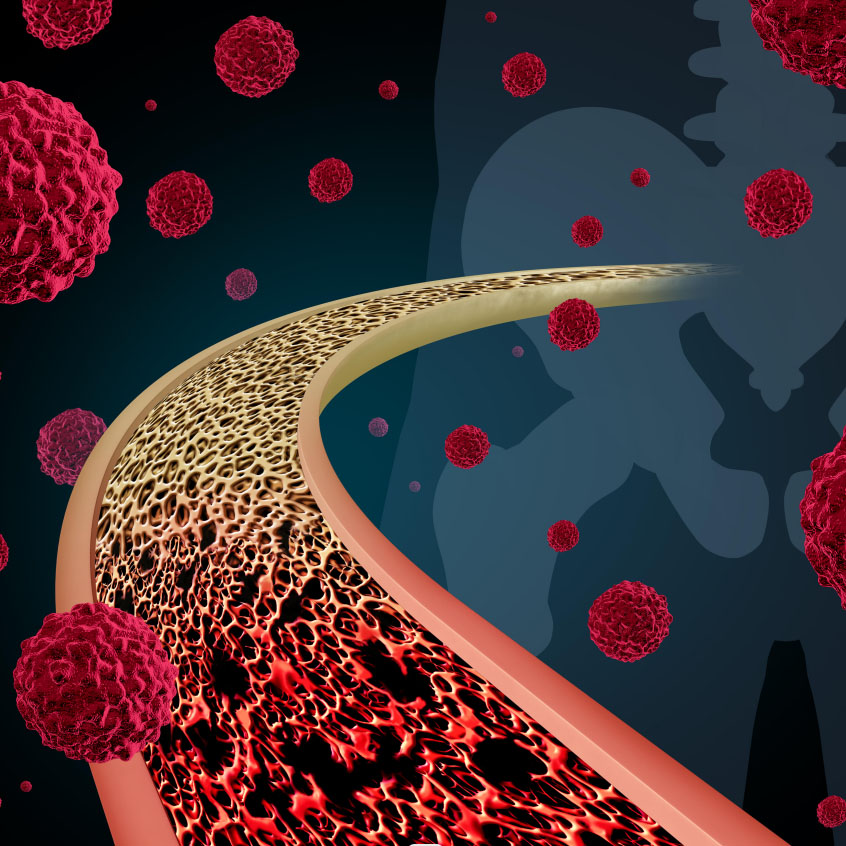
Beijing South Region Oncology Hospital, renowned for its comprehensive approach to cancer care, has made significant strides in the diagnosis and treatment of secondary lung cancer. Over the past decade, the hospital has been dedicated to providing cutting-edge medical services for various tumors, fostering multidisciplinary collaboration, and integrating resources from multiple departments. This holistic strategy has enabled the establishment of specialized cooperation groups addressing specific diseases, including secondary lung cancer, enhancing treatment outcomes and patient care.
### Understanding Secondary Lung Cancer
Secondary lung cancer, also known as metastatic lung cancer, occurs when cancer cells spread from a primary tumor located elsewhere in the body to the lungs. Unlike primary lung cancer, which originates in the lung tissue itself, secondary lung cancer is a manifestation of advanced-stage malignancies that have disseminated through the bloodstream or lymphatic system. Common primary cancers that metastasize to the lungs include breast, colon, kidney, and melanoma cancers.
This distinction is critical for determining the appropriate treatment protocols, as secondary lung cancer requires an approach that addresses both the primary tumor and the metastatic lesions in the lungs. Early and accurate diagnosis is essential to managing secondary lung cancer effectively, given its impact on patient prognosis and treatment choices.
### Beijing South Region Oncology Hospital: A Decade of Comprehensive Cancer Care
For the past ten years, Beijing South Region Oncology Hospital has committed itself to advancing the field of oncology through innovation, collaboration, and patient-centered care. The hospital emphasizes the cooperation of multiple disciplines, a strategic integration of medical resources across departments, and the formation of focused cooperation groups to address specific diseases.
By uniting oncologists, radiologists, pathologists, surgeons, and other specialists, the hospital offers a seamless continuum of care, ensuring that patients receive timely and accurate diagnoses alongside personalized treatment plans. This multidisciplinary approach not only facilitates comprehensive assessment but also fosters the use of a broad spectrum of treatment modalities, including surgery, chemotherapy, radiotherapy, targeted therapy, and immunotherapy.
### Multidisciplinary Cooperation Enhances Diagnosis and Treatment
The diagnosis of secondary lung cancer demands a high level of expertise and coordination among medical professionals. Beijing South Region Oncology Hospital leverages its integrated medical system to conduct thorough diagnostic evaluations, including advanced imaging techniques such as CT scans and PET scans, histopathological examinations, and molecular testing.
Once a diagnosis of secondary lung cancer is confirmed, the hospital’s cooperation groups spring into action. These specialized teams consider the patient’s overall condition, the primary tumor characteristics, and the extent of lung metastasis to devise tailored treatment strategies. The goal is to optimize therapeutic outcomes by combining systemic treatments with local measures when appropriate.
### Treatment Innovations and Patient Outcomes
In recent years, Beijing South Region Oncology Hospital has incorporated innovative treatment options to improve survival rates and quality of life for patients with secondary lung cancer. Precision medicine plays a significant role, as molecular profiling of tumors allows oncologists to select targeted therapies that are most effective for the individual genetic makeup of the cancer.
Immunotherapy has also become a valuable component of the hospital’s treatment arsenal, harnessing the patient’s immune system to fight cancer more effectively. For certain cases, minimally invasive surgical interventions or stereotactic body radiotherapy (SBRT) are employed to control localized metastases, reducing tumor burden and alleviating symptoms.
Moreover, the hospital provides comprehensive supportive care services, including pain management, nutritional support, and psychological counseling, acknowledging the multifaceted needs of patients battling advanced cancers.
### Commitment to Research and Education
In addition to clinical excellence, Beijing South Region Oncology Hospital prioritizes research and education to stay at the forefront of oncology. The institution participates in national and international clinical trials focusing on secondary lung cancer, contributing valuable data that informs global cancer treatment protocols.
The hospital also offers training programs and workshops for medical professionals, promoting the dissemination of knowledge regarding the complexities of secondary lung cancer and the evolving therapeutic landscape. This commitment to education ensures that healthcare providers remain equipped with the latest skills and insights to serve patients effectively.
### Looking Ahead
As cancer care continues to evolve, Beijing South Region Oncology Hospital remains dedicated to enhancing the diagnosis and treatment of secondary lung cancer. Through continuous innovation, multidisciplinary collaboration, and patient-centered approaches, the hospital strives to improve the prognosis and quality of life for patients facing this challenging condition.
Patients diagnosed with secondary lung cancer can place their trust in the hospital’s comprehensive expertise and compassionate care, confident that their treatment plans are developed by a team of specialists united in a common mission: to conquer cancer through cooperation and advanced medicine.
---
**About Beijing South Region Oncology Hospital**
Beijing South Region Oncology Hospital has been at the forefront of tumor diagnosis and treatment for over ten years. Advocating the cooperation of multiple disciplines and integrating medical resources across departments, the hospital has established specialized cooperation groups for the management of specific diseases, ensuring comprehensive, coordinated, and effective patient care.