
Beijing South Region Oncology Hospital has been a leading institution in the diagnosis and treatment of various tumors for the past decade. With a commitment to multidisciplinary collaboration and integration of medical resources across departments, the hospital has continuously enhanced its capabilities in managing complex oncological cases. One of the significant areas of focus has been lung carcinoma, a type of cancer that remains a major health challenge worldwide due to its high incidence and often late diagnosis.
### A Decade of Commitment to Oncology Excellence
Since its establishment, Beijing South Region Oncology Hospital has devoted itself to improving cancer care through innovative approaches and coordinated teamwork. The hospital’s philosophy centers on the cooperation of multiple disciplines, bringing together specialists from oncology, radiology, pathology, surgery, and supportive care to work cohesively. By integrating medical resources from all departments, the hospital ensures that each patient receives a comprehensive and personalized treatment plan.
To further enhance treatment efficacy, the hospital has established dedicated cooperation groups focused on specific diseases, including mono-disease teams targeting lung carcinoma. These groups enable specialists to concentrate their expertise, engage in continuous research, and update clinical protocols based on the latest scientific advances.
### Lung Carcinoma: Challenges and Opportunities
Lung carcinoma is one of the most common and deadly types of cancer globally. It is often diagnosed at an advanced stage due to subtle early symptoms, thus posing a significant challenge for effective treatment. Factors such as smoking, air pollution, and genetic predispositions contribute to its high prevalence.
Early and accurate diagnosis, multidisciplinary treatment planning, cutting-edge therapies, and supportive care are essential to improving survival rates and quality of life for patients with lung carcinoma. The complex nature of this cancer requires a well-coordinated approach across various specialties.
### Multidisciplinary Approach at Beijing South Region Oncology Hospital
At Beijing South Region Oncology Hospital, the treatment of lung carcinoma exemplifies the benefits of the multidisciplinary model. Upon diagnosis, patients undergo comprehensive assessments including advanced imaging, biopsy, and molecular testing. These steps help in precisely staging the cancer and identifying specific genetic mutations that can guide targeted therapies.
The multidisciplinary team then convenes to discuss each case. Medical oncologists, thoracic surgeons, radiologists, pathologists, and radiation oncologists analyze the patient’s data collaboratively. This collective expertise ensures that management plans are tailored to the individual characteristics of the tumor and the patient’s overall health condition. For instance, early-stage lung carcinoma may be treated effectively with surgery, while advanced stages often require systemic therapies combined with radiation.
### Integration of Innovative Therapies
Over the past years, Beijing South Region Oncology Hospital has integrated innovative treatments into its lung carcinoma protocols. Targeted therapy and immunotherapy have revolutionized cancer care, offering new hope for patients with advanced disease. The hospital actively participates in clinical trials and research projects to bring cutting-edge options to its patient population.
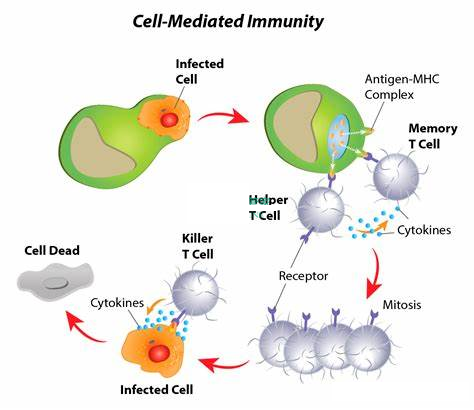
Targeted therapy focuses on specific molecular pathways involved in tumor growth, thereby minimizing damage to healthy tissues. Immunotherapy, by harnessing the body’s immune system to attack cancer cells, has shown promising results in extending survival rates. The hospital’s pathology department plays a critical role in identifying biomarkers that determine a patient’s eligibility for these therapies.
### Comprehensive Patient Care and Support
Recognizing that lung carcinoma profoundly impacts patients' physical and psychological wellbeing, Beijing South Region Oncology Hospital emphasizes holistic care. The multidisciplinary teams include nutritionists, psychologists, and palliative care specialists, ensuring that patients receive support beyond medical treatment. Symptom management, mental health counseling, and rehabilitation services are integral parts of the care pathway.
### Ongoing Research and Future Directions
The mono-disease cooperative groups at Beijing South Region Oncology Hospital continuously monitor treatment outcomes and conduct research aimed at improving lung carcinoma management. By analyzing clinical data and studying genetic and environmental factors, researchers seek to refine diagnostic methods and develop novel therapies.
Future directions include enhancing early detection through advanced imaging and biomarker discovery, expanding personalized medicine, and integrating artificial intelligence to optimize treatment decisions. The hospital’s dedication to innovation and teamwork promises ongoing improvements in patient outcomes.
### Conclusion
Beijing South Region Oncology Hospital’s decade-long commitment to multidisciplinary collaboration and resource integration has positioned it as a leader in the fight against lung carcinoma. Through specialized mono-disease groups, adoption of innovative treatments, and comprehensive patient-centered care, the hospital continues to make significant strides in improving diagnosis, treatment, and quality of life for lung carcinoma patients. As research advances and new therapies emerge, this institution remains at the forefront of oncology care, offering hope and healing to countless individuals affected by this challenging disease.