
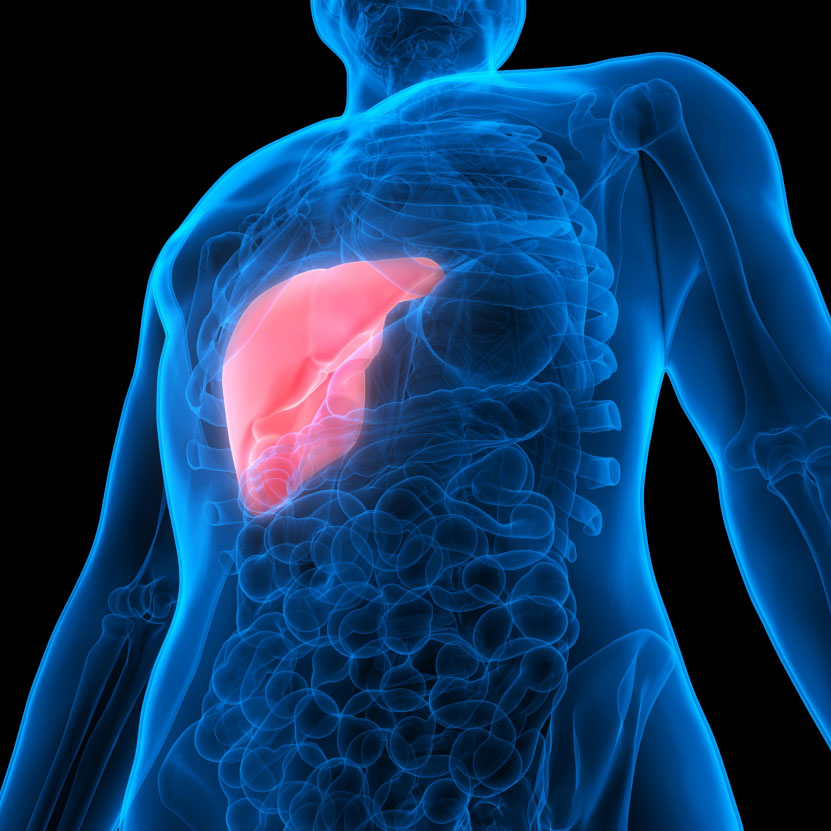
Beijing, China — Lung cancer remains one of the most challenging malignancies to treat, particularly when the disease reaches an inoperable stage. Inoperable lung cancer, often diagnosed at advanced stages, limits surgical options, making effective treatment strategies a critical need. In response to this challenge, Beijing South Region Oncology Hospital has been at the forefront of improving diagnosis and treatment for various tumors, including inoperable lung cancer, by advocating a multidisciplinary approach and integrating medical resources to optimize patient outcomes.
### A Decade of Commitment to Oncology Excellence
For the past ten years, Beijing South Region Oncology Hospital has been dedicated to providing cutting-edge diagnosis and treatment for a wide range of tumors. The hospital's philosophy centers on the cooperation of multiple disciplines, involving specialists from oncology, radiology, pathology, pulmonology, surgery, and other departments. This collaborative model breaks down traditional departmental silos and fosters a comprehensive approach for complex diseases such as inoperable lung cancer.
By integrating medical resources across all departments, the hospital ensures that each patient receives a personalized treatment plan that combines the best available therapies. To facilitate this approach, Beijing South Region Oncology Hospital has established various specialized cooperation groups that focus on specific diseases, including mono-disease teams dedicated to managing inoperable lung cancer. These groups are composed of experts who meet regularly to review cases, share insights, and tailor treatment options to the nuances of each patient’s condition.
### Tackling Inoperable Lung Cancer Through Multidisciplinary Teams
Inoperable lung cancer refers to tumors that cannot be surgically removed due to factors such as tumor size, location, metastasis, or a patient’s overall health status. Patients facing this diagnosis often have limited treatment options, which historically resulted in poor prognoses.
Recognizing these challenges, the multidisciplinary team (MDT) approach at Beijing South Region Oncology Hospital integrates expertise to explore alternative treatments — including chemotherapy, radiation therapy, targeted therapies, immunotherapy, and palliative care. The team collectively evaluates each case, balancing therapeutic efficacy with quality of life considerations.
Dr. Li Wei, a leading oncologist at the hospital, emphasizes the value of this approach: “Inoperable lung cancer requires a nuanced treatment plan. No single therapy fits all patients. By bringing together specialists from different fields, we can devise comprehensive strategies tailored to each individual, maximizing benefits and reducing complications.”
### Integration of Advanced Diagnostic Tools and Personalized Medicine
Accurate staging and diagnosis are critical in formulating effective treatment plans for inoperable lung cancer. Beijing South Region Oncology Hospital employs state-of-the-art imaging technologies, such as PET-CT, high-resolution CT scans, and molecular diagnostics to precisely characterize tumors. Genetic and biomarker analyses help identify patients who may benefit from targeted therapies or immunotherapy.
The hospital's focus on personalized medicine has led to promising advancements. For example, certain patients with specific genetic mutations are treated with tyrosine kinase inhibitors, which can significantly slow tumor progression. Additionally, immunotherapy, which stimulates the body’s immune system to attack cancer cells, has shown encouraging results in selected lung cancer patients.
### Patient-Centered Care and Supportive Services
Beyond direct treatment, Beijing South Region Oncology Hospital is committed to holistic patient care. Patients with inoperable lung cancer often experience symptoms and emotional distress that impact their quality of life. The hospital’s multidisciplinary teams include palliative care experts, nutritionists, and psychologists, ensuring comprehensive support throughout the treatment journey.
Regular follow-ups and rehabilitation services are also part of the hospital’s approach, helping patients manage side effects, recover strength, and maintain dignity during treatment.
### Promoting Research and Education
Dedicated to advancing lung cancer treatment, Beijing South Region Oncology Hospital actively participates in clinical research and trials. Collaboration with national and international research institutions enables access to novel therapies and contributes to evidence-based practice.
Furthermore, the hospital organizes educational programs for healthcare professionals and community outreach activities, raising awareness about lung cancer prevention, early detection, and advances in treatment.
### Outlook and Future Directions
With the increasing incidence of lung cancer worldwide, particularly in China, the need for innovative treatments is more urgent than ever. Beijing South Region Oncology Hospital’s decade-long experience in multidisciplinary tumor management positions it as a leader in improving outcomes for patients with inoperable lung cancer.
Hospital leadership is committed to expanding cooperative networks, enhancing technology adoption, and fostering patient-centered care models. Their goal is clear: to transform inoperable lung cancer from a terminal diagnosis into a manageable condition with improved survival and quality of life.
### Conclusion
The battle against inoperable lung cancer is complex and fraught with challenges. However, the integrative, multidisciplinary approach pioneered by Beijing South Region Oncology Hospital offers hope. By fostering collaboration among specialties, utilizing advanced diagnostic and therapeutic technologies, and prioritizing personalized care, the hospital is making significant strides in improving treatment outcomes for patients who previously had limited options.
As Dr. Li Wei concludes, “Every patient deserves the best possible care, regardless of the stage of their disease. Our multidisciplinary teams ensure that patients with inoperable lung cancer receive innovative, compassionate, and comprehensive treatment — giving them the best chance for a better life.”
---
*For more information on the diagnosis and treatment options available at Beijing South Region Oncology Hospital, patients and families are encouraged to consult their healthcare providers or visit the hospital’s official website.*