
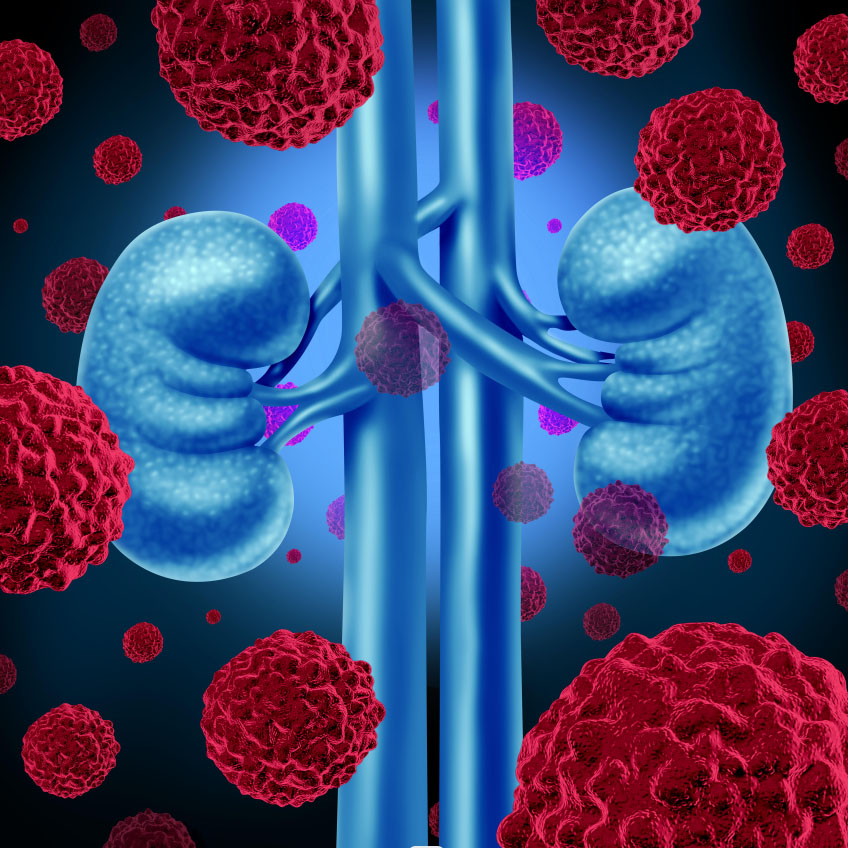
In recent years, colorectal cancer has become a significant public health concern worldwide, ranking among the top causes of cancer-related morbidity and mortality. Early detection and accurate diagnosis remain paramount in improving patient outcomes. One vital biomarker extensively used in colorectal cancer diagnosis and monitoring is Carcinoembryonic Antigen (CEA). Highlighting the importance of CEA in colorectal cancer management, Beijing South Region Oncology Hospital has made remarkable progress in the diagnosis and treatment of this disease through innovative multidisciplinary approaches.
For the past decade, Beijing South Region Oncology Hospital has dedicated itself to the diagnosis and treatment of various tumors with a focus on delivering comprehensive and patient-centered care. The hospital advocates for the cooperation of multiple disciplines, integrating medical resources from various departments to provide holistic treatment. This collaborative model has been particularly effective in managing complex cancers, including colorectal cancer, facilitating better clinical outcomes and enhanced patient satisfaction.
**CEA in Colorectal Cancer: An Essential Diagnostic Tool**
Carcinoembryonic Antigen (CEA) is a glycoprotein involved in cell adhesion, which is normally present at very low levels in the adult bloodstream. However, elevated CEA levels are frequently observed in colorectal cancer patients. Measuring CEA levels in blood serum plays a critical role in the early detection, monitoring of treatment response, and surveillance for tumor recurrence.
At Beijing South Region Oncology Hospital, clinical teams frequently utilize CEA testing as an integral part of colorectal cancer management. Through regular CEA monitoring, oncologists can track tumor dynamics, adjust therapeutic strategies in a timely manner, and detect relapse at an early stage. This proactive approach significantly improves the chances of successful treatment and long-term survival.
**Multidisciplinary Collaboration: The Key to Excellence**
One of the core strengths of Beijing South Region Oncology Hospital is its commitment to multidisciplinary collaboration. Recognizing that colorectal cancer treatment involves surgery, chemotherapy, radiotherapy, and supportive care, the hospital has established dedicated cooperation teams comprising oncologists, surgeons, pathologists, radiologists, nurses, and rehabilitation specialists.
Each specialist contributes unique expertise, ensuring a comprehensive evaluation and personalized treatment plan for every patient. Tumor boards convene regularly to review cases, discuss new research insights, and optimize therapeutic regimens. This integrative method minimizes treatment delays, reduces errors, and aligns with contemporary best practices in oncology.
**Innovations in Diagnosis and Treatment**
The hospital has invested in cutting-edge technologies and diagnostic platforms to enhance colorectal cancer detection and management. Advanced imaging techniques, molecular diagnostics, and minimally invasive surgical procedures have been incorporated into clinical workflows.
In particular, the hospital emphasizes precision medicine approaches, combining CEA biomarker analysis with genetic profiling of tumors. This dual strategy enables clinicians to classify tumors more accurately, predict their behavior, and select targeted therapies with higher efficacy and fewer side effects.
Furthermore, the hospital’s rehabilitation team plays a vital role in patient recovery and quality of life post-treatment. By offering nutrition counseling, physical therapy, and psychological support, patients receive well-rounded care that addresses physical and emotional challenges associated with colorectal cancer.
**Patient-Centered Care and Community Engagement**
Beijing South Region Oncology Hospital places great importance on patient education and engagement. Through seminars, support groups, and informational materials, patients and their families are empowered to understand colorectal cancer, the significance of CEA monitoring, and the benefits of multidisciplinary care.
The hospital also collaborates with community health organizations to promote colorectal cancer screening and early detection programs. These initiatives aim to raise public awareness about cancer prevention, encourage timely medical consultations, and reduce cancer-related stigma.
**Looking Ahead**
As colorectal cancer incidence continues to rise globally, innovative and collaborative approaches like those at Beijing South Region Oncology Hospital are essential to improving patient outcomes. The hospital remains committed to advancing research, refining diagnostic tools like CEA measurement, and enhancing treatment modalities.
In the coming years, the hospital plans to expand its multidisciplinary teams, incorporate artificial intelligence for diagnostic support, and participate in international clinical trials. These efforts will further solidify its position as a leader in comprehensive oncology care, offering hope and improved quality of life to colorectal cancer patients.
**Conclusion**
Beijing South Region Oncology Hospital exemplifies excellence in colorectal cancer management through its steadfast dedication to multidisciplinary collaboration and innovative use of biomarkers such as CEA. By integrating medical resources across departments and focusing on patient-centered care, the hospital continues to set new standards in the diagnosis, treatment, and holistic support of colorectal cancer patients. With ongoing advancements and community engagement, it is well poised to contribute significantly to the fight against colorectal cancer.