
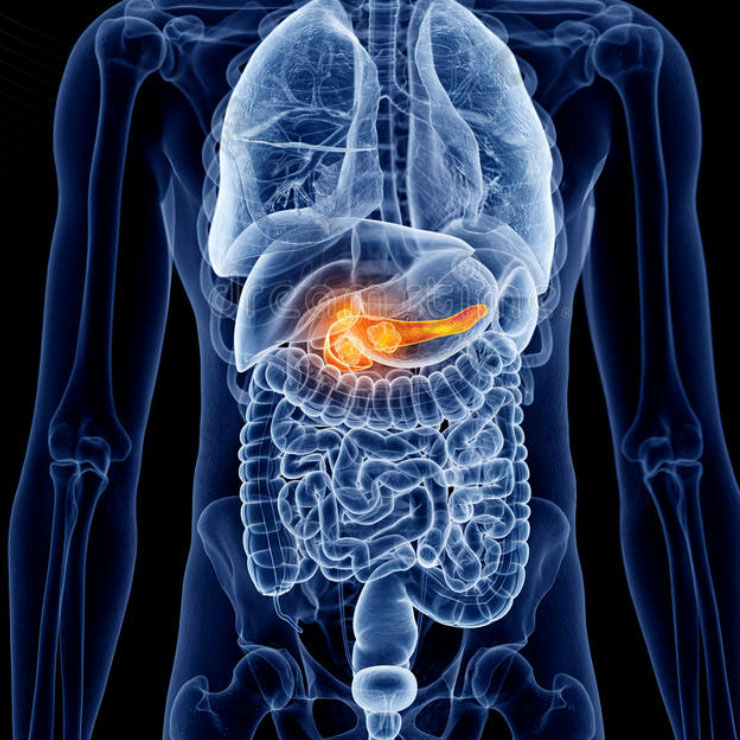
In recent years, anorectal carcinoma has become an increasing concern within the medical community due to its complex presentation and challenges in treatment. As cancer affecting the anal canal and rectum, anorectal carcinoma demands a precise, comprehensive approach, combining various medical disciplines to improve patient outcomes. Leading this charge, Beijing South Region Oncology Hospital has leveraged its decade-long expertise in tumor diagnosis and treatment to enhance the management of anorectal carcinoma through a multidisciplinary framework.
**Anorectal Carcinoma: An Overview**
Anorectal carcinoma represents a group of malignancies occurring at the junction of the anus and rectum. The disease can manifest through symptoms such as rectal bleeding, pain, changes in bowel habits, and weight loss, which often overlap with benign conditions, making early diagnosis difficult. The complexity of its location and the involvement of critical anatomical structures often pose significant challenges for effective treatment.
Traditionally, management of anorectal carcinoma has included surgery, chemotherapy, and radiotherapy, either alone or in combination. However, due to the tumor’s aggressive nature and its impact on patients’ quality of life, treatment requires not only eradication of the cancer but also preservation of anorectal function.
**Beijing South Region Oncology Hospital: Commitment to Excellence and Integration**
For the past ten years, Beijing South Region Oncology Hospital has been dedicated to the diagnosis and treatment of various tumors. Its commitment to excellence is underscored by its advocacy for multidisciplinary cooperation, integrating expertise from all relevant medical departments into cohesive treatment plans.
Recognizing the unique challenges posed by specific cancers, the hospital has established dedicated cooperation groups focusing on single diseases, including anorectal carcinoma. These groups bring together specialists from surgery, oncology, radiology, pathology, gastroenterology, and supportive care to formulate individualized therapy plans that optimize clinical outcomes.
**Multidisciplinary Cooperation: A Cornerstone in Anorectal Carcinoma Care**
The hospital’s multidisciplinary approach represents a paradigm shift in cancer care. By pooling knowledge and resources, each cooperating discipline contributes its specialized insight into every stage of diagnosis and treatment, from initial assessment to follow-up.
- **Surgical Oncology:** Surgeons at the hospital employ state-of-the-art techniques to remove tumors while striving to preserve sphincter function, thereby maintaining patients’ quality of life.
- **Medical Oncology:** Chemotherapy regimens are tailored based on tumor staging and patient tolerance, often administered in conjunction with radiation therapy to maximize tumor control.
- **Radiation Oncology:** Advanced radiotherapy technologies, including intensity-modulated radiation therapy (IMRT), enable precise targeting of tumors, reducing damage to surrounding healthy tissue.
- **Pathology:** Pathologists provide detailed analyses of tumor biopsies, guiding treatment decisions based on histological subtypes and molecular markers.
- **Gastroenterology:** Gastroenterologists manage symptoms and complications related to bowel function, providing supportive care during and after treatment.
- **Supportive Care:** Nutritionists, psychologists, and rehabilitation specialists offer holistic care to improve overall patient well-being.
**Integrated Diagnostics for Accurate Staging**
Accurate staging is critical in anorectal carcinoma to determine the extent of disease and guide therapy. Beijing South Region Oncology Hospital utilizes integrated diagnostic technologies, including endoscopic ultrasound, PET/CT scans, and MRI, to assess tumor depth, nodal involvement, and presence of metastasis. The multidisciplinary tumor board reviews diagnostic findings collaboratively to establish comprehensive staging and treatment pathways.
**Personalized Treatment Plans**
Leveraging its extensive clinical experience, the hospital offers personalized treatment options that consider tumor characteristics and patient-specific factors such as age, comorbidities, and personal preferences. Early-stage anorectal carcinoma may be managed with local excision combined with adjuvant therapy, whereas advanced cases might necessitate radical surgery supplemented by chemoradiotherapy.
Moreover, the hospital is actively involved in clinical research aimed at exploring novel therapeutic strategies, including targeted therapies and immunotherapy, to enhance treatment efficacy and minimize adverse effects.
**Patient-Centered Care and Post-Treatment Support**
Understanding that recovery extends beyond tumor eradication, Beijing South Region Oncology Hospital emphasizes patient-centered care. The anorectal carcinoma cooperation group orchestrates follow-up visits, monitors for recurrence, and addresses long-term complications such as bowel dysfunction and psychosocial issues. Rehabilitation programs are designed to assist patients in regaining normal activities and improving life quality.
**Outcomes and Impact**
The multidisciplinary, integrated approach adopted by Beijing South Region Oncology Hospital has resulted in improved survival rates and functional outcomes for patients with anorectal carcinoma. Collaborative treatment planning ensures that patients receive state-of-the-art care tailored to their unique clinical profiles, reducing recurrence rates and enhancing quality of life.
**Conclusion**
As anorectal carcinoma continues to challenge oncologists worldwide, Beijing South Region Oncology Hospital’s decade of dedication and innovation in tumor diagnosis and treatment stands as a beacon of hope. By advocating multidisciplinary cooperation and establishing dedicated mono-disease cooperation groups, the hospital has set new standards in anorectal carcinoma care, offering patients comprehensive, personalized treatment that addresses both clinical and quality-of-life concerns.
Patients diagnosed with anorectal carcinoma in Beijing and beyond can thus rest assured that they are receiving cutting-edge care from a leading institution committed to integrating diverse medical expertise for optimal outcomes. Moving forward, Beijing South Region Oncology Hospital remains at the forefront of cancer care, continuously improving treatment modalities through collaboration, research, and patient engagement.