
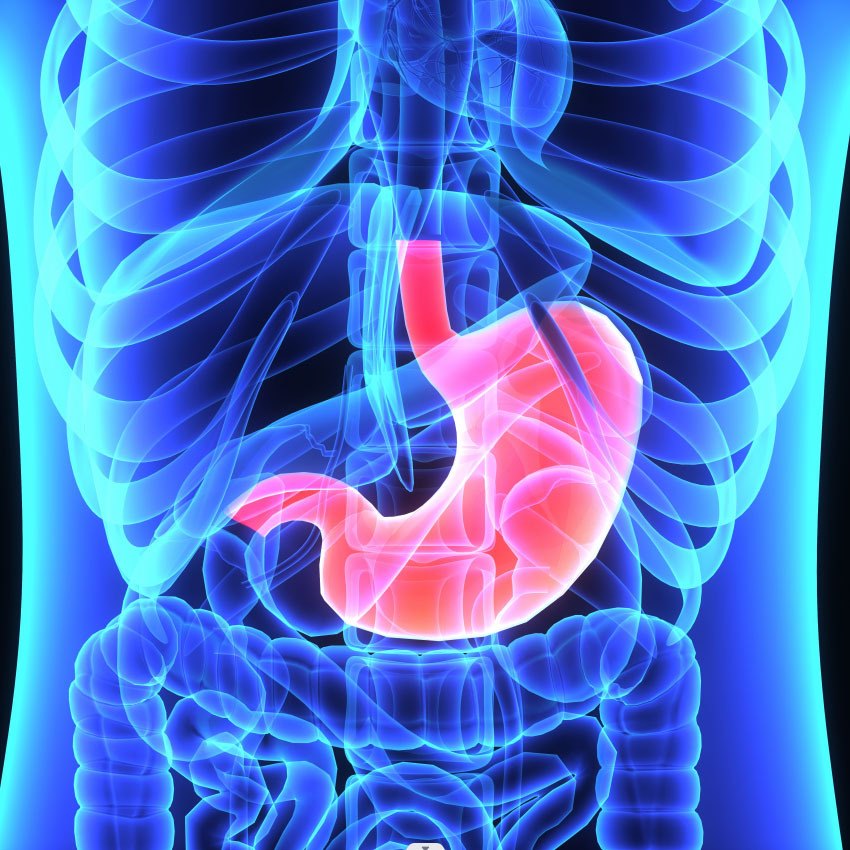
In recent years, the fight against adenocarcinoma of the oesophagus has witnessed significant progress, with specialized medical institutions playing a pivotal role in enhancing patient outcomes. Beijing South Region Oncology Hospital, a leading cancer treatment center in China, has been at the forefront of these advances, offering comprehensive care through multidisciplinary collaboration and cutting-edge clinical practices.
**Understanding Adenocarcinoma of the Oesophagus**
Adenocarcinoma of the oesophagus is a type of malignant tumor arising from glandular cells lining the lower part of the oesophagus. It is one of the most common forms of oesophageal cancer, often linked to risk factors such as chronic gastroesophageal reflux disease, Barrett's oesophagus, obesity, and smoking. The disease is frequently diagnosed at an advanced stage due to its subtle early symptoms, including difficulty swallowing, weight loss, and chest pain.
Effective treatment of oesophageal adenocarcinoma requires accurate diagnosis, staging, and personalized therapeutic approaches. Options range from surgical resection, chemotherapy, radiotherapy, targeted therapies, to palliative care focused on improving quality of life. Given the complexity of the disease, multidisciplinary teams comprising oncologists, surgeons, radiologists, pathologists, and other specialists are essential for optimal management.
**Beijing South Region Oncology Hospital: A Decade of Excellence**
For over ten years, Beijing South Region Oncology Hospital has established itself as a center of excellence dedicated to the diagnosis and treatment of various tumors, including adenocarcinoma of the oesophagus. The hospital advocates for the integration of medical resources across different departments, promoting collaborative efforts that enhance comprehensive patient care.
The hospital’s model emphasizes cooperation among specialists to form disease-specific working groups. These mono-disease cooperation groups focus on particular tumor types, ensuring that each patient benefits from coordinated diagnostic evaluations, treatment planning, and follow-up care. This approach fosters an environment where expertise is pooled to tackle the complexities of cancer management effectively.
**Multidisciplinary Collaboration Enhances Patient Outcomes**
One of the key strengths of Beijing South Region Oncology Hospital lies in its multidisciplinary treatment strategy. For adenocarcinoma of the oesophagus, the hospital coordinates the efforts of gastroenterologists, thoracic surgeons, medical oncologists, radiation oncologists, nutritionists, and nursing staff. This team collaborates to create individualized treatment plans based on tumor characteristics, patient health status, and the latest clinical evidence.
In early-stage disease, patients may undergo minimally invasive esophagectomy with enhanced recovery protocols, supported by preoperative assessments and postoperative care. For advanced cases, the hospital integrates neoadjuvant chemoradiotherapy to shrink tumors before surgery or employs systemic therapies aimed at controlling disease progression.
Furthermore, the hospital leverages advanced diagnostic tools such as endoscopic ultrasound, high-resolution imaging techniques, and molecular pathology to improve staging accuracy. These technologies help guide treatment decisions and identify patients who may benefit from novel targeted therapies or clinical trials.
**Innovations and Research Drive Progress**
Beijing South Region Oncology Hospital is also deeply invested in oncology research, contributing to the development of new treatment modalities for adenocarcinoma of the oesophagus. Its medical teams participate in clinical trials exploring immunotherapy agents and targeted drugs designed to improve survival rates and reduce treatment-related side effects.
The hospital encourages knowledge sharing through academic conferences, workshops, and interdisciplinary case discussions, fostering a culture of continuous learning and innovation. This commitment to research ensures that patients receive state-of-the-art care aligned with international best practices.
**Patient-Centered Care and Support**
Beyond clinical excellence, Beijing South Region Oncology Hospital is committed to addressing the holistic needs of patients with oesophageal cancer. Support services encompass nutritional counseling to manage eating difficulties, psychological support to alleviate anxiety and depression, and rehabilitation programs to aid recovery post-treatment.
The hospital’s integrative care model seeks to improve not only survival but also the quality of life for patients and their families. Customized education materials, patient navigation assistance, and support groups contribute to building a supportive community around those affected by adenocarcinoma of the oesophagus.
**Looking Ahead**
As the incidence of adenocarcinoma of the oesophagus continues to pose a global health challenge, institutions like Beijing South Region Oncology Hospital demonstrate how focused expertise and multidisciplinary collaboration can yield meaningful advances in cancer care. With a decade-long commitment to integrating medical resources and fostering cooperation among specialists, the hospital stands as a beacon of hope for patients battling this complex disease.
The ongoing development of diagnostic technologies, targeted treatments, and supportive care strategies promises to further improve prognosis and patient experience. By maintaining its dedication to research and comprehensive clinical management, Beijing South Region Oncology Hospital will continue to play a vital role in transforming the landscape of oesophageal cancer treatment in China and beyond.