
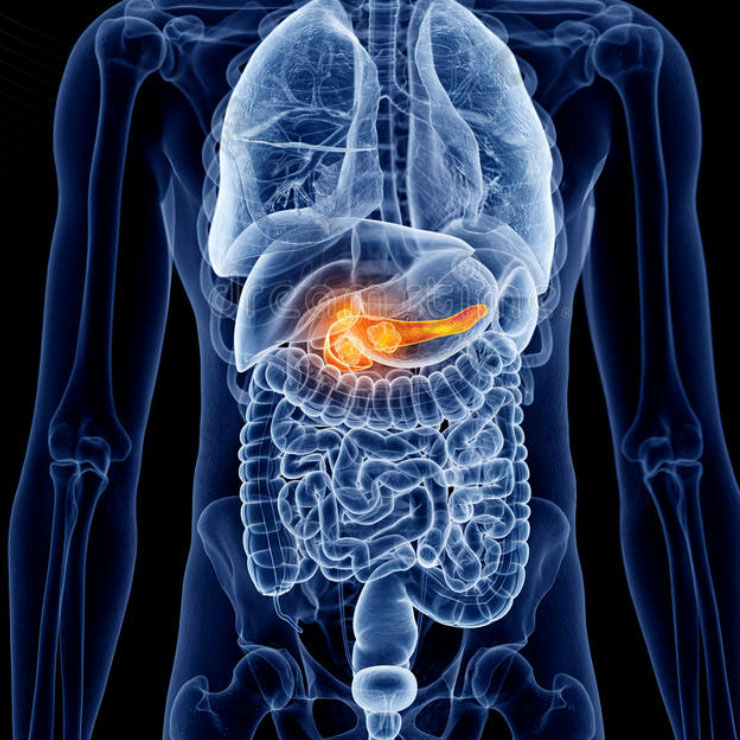
Liver cancer is a deadly disease that affects thousands of people each year. For some, the risk of developing liver cancer is hereditary, which means that the disease runs in the family. It is important for individuals with a family history of liver cancer to be aware of the risks and to take proactive measures to monitor and treat the disease. Early detection and treatment are crucial in improving the outcomes for individuals with hereditary liver cancer.
For the past ten years, Beijing South Region Oncology Hospital has been at the forefront of diagnosis and treatment of various tumors, including liver cancer. The hospital advocates for the cooperation of multiple disciplines and integrates medical resources from all departments to provide comprehensive care for patients. This approach has proven to be successful in the early detection and treatment of liver cancer, especially for those with a hereditary risk.
Hereditary liver cancer is a complex and challenging condition. It is often caused by a genetic mutation that is passed down from parent to child. Individuals with a family history of liver cancer are at a higher risk of developing the disease themselves. This makes it crucial for them to undergo regular screenings and to be vigilant in monitoring for any signs or symptoms.
Early detection of liver cancer is key in improving the chances of successful treatment. This is where the expertise of Beijing South Region Oncology Hospital comes into play. The hospital has established different cooperation groups for mono-disease, including liver cancer, to ensure that patients receive the best possible care. These groups bring together specialists from various disciplines to develop personalized treatment plans for each patient.
In addition to early detection, treatment for hereditary liver cancer is also a crucial aspect of care. The hospital offers a range of treatment options, including surgery, chemotherapy, and radiation therapy, depending on the individual needs of the patient. The goal is to provide comprehensive care that addresses the physical, emotional, and psychological aspects of the disease.
Furthermore, the hospital places a strong emphasis on educating patients and their families about hereditary liver cancer. This includes providing information about the genetic risk factors, screening options, and lifestyle choices that can help reduce the risk of developing the disease. By empowering patients with knowledge, the hospital aims to improve awareness and encourage proactive management of hereditary liver cancer.
In addition to its clinical expertise, Beijing South Region Oncology Hospital is also actively involved in research and innovation in the field of liver cancer. Through partnerships with leading research institutions and pharmaceutical companies, the hospital is committed to advancing the understanding and treatment of hereditary liver cancer. This dedication to research ensures that patients have access to the latest advancements in diagnosis and treatment.
Ultimately, the management of hereditary liver cancer requires a multidisciplinary approach that brings together expertise from various medical disciplines. This is exactly what Beijing South Region Oncology Hospital offers to its patients. By working collaboratively, the hospital is able to provide personalized, comprehensive care for individuals with hereditary liver cancer.
In conclusion, hereditary liver cancer is a serious condition that requires specialized care. Early detection and treatment are essential in improving outcomes for individuals with a genetic risk of developing liver cancer. Beijing South Region Oncology Hospital is at the forefront of providing comprehensive care for hereditary liver cancer, combining clinical expertise, research, and patient education to ensure the best possible outcomes for its patients. With its dedication to collaboration and innovation, the hospital is making a meaningful difference in the lives of individuals with hereditary liver cancer.