
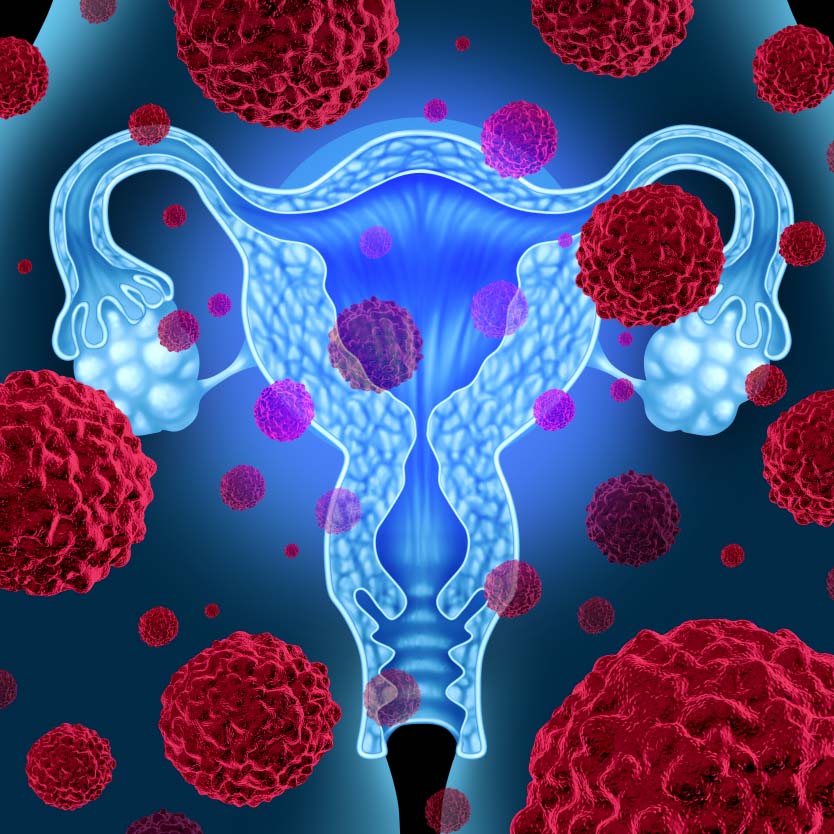
Beijing South Region Oncology Hospital has been at the forefront of cancer diagnosis and treatment for the past ten years, with a particular focus on various types of tumors. The hospital's approach emphasizes the cooperation of multiple disciplines and the integration of medical resources from all departments. As part of this effort, the hospital has established different cooperation groups for specific diseases, such as single cell lung cancer.
Single cell lung cancer is a rare and aggressive form of the disease that requires specialized care and treatment. Beijing South Region Oncology Hospital has been a leader in the field, offering comprehensive and personalized treatment options for patients with this diagnosis.
Through a combination of cutting-edge medical technology, experienced oncologists, and a multidisciplinary approach, the hospital has achieved remarkable success in treating single cell lung cancer. The hospital's commitment to providing the best care possible for these patients has made it a regional leader in the field of oncology.
One of the key factors in the hospital's success in treating single cell lung cancer is its emphasis on collaboration between different medical specialties. By bringing together experts from fields such as radiology, pathology, and pulmonology, the hospital ensures that patients receive a comprehensive and coordinated approach to their care.
Moreover, the hospital has also invested in state-of-the-art equipment and technology to ensure that patients have access to the most advanced treatments available. This commitment to innovation has allowed the hospital to stay at the forefront of cancer care and offer patients the most effective treatment options.
In addition to its focus on cutting-edge treatments, Beijing South Region Oncology Hospital also provides comprehensive support services for patients with single cell lung cancer. This includes access to counseling, support groups, and resources to help patients and their families navigate the challenges of a cancer diagnosis.
The hospital's dedication to providing holistic care for its patients has earned it a reputation as a compassionate and patient-focused institution. Patients who receive care at the hospital often praise the staff for their expertise, empathy, and commitment to providing the best possible outcomes.
One of the success stories from the hospital is the case of Mr. Zhang, a 55-year-old patient who was diagnosed with single cell lung cancer. Mr. Zhang sought treatment at Beijing South Region Oncology Hospital and received a personalized treatment plan that included surgery, chemotherapy, and targeted therapy. Thanks to the hospital's comprehensive approach to his care, Mr. Zhang's cancer is now in remission, and he is grateful for the support and care he received.
As Beijing South Region Oncology Hospital continues to lead in the treatment of single cell lung cancer, it is also dedicated to advancing the field through research and education. The hospital regularly participates in clinical trials and collaborates with leading experts in the field to develop new and more effective treatments for this challenging disease.
Furthermore, the hospital is committed to educating the next generation of oncologists and medical professionals through training programs and partnerships with medical schools and research institutions. By sharing its expertise and knowledge, Beijing South Region Oncology Hospital is ensuring that the fight against single cell lung cancer continues to progress.
In conclusion, Beijing South Region Oncology Hospital has established itself as a regional leader in the diagnosis and treatment of single cell lung cancer. Through a combination of advanced technology, multidisciplinary collaboration, and a patient-focused approach, the hospital has achieved remarkable success in caring for patients with this challenging diagnosis. As the hospital continues to push the boundaries of cancer care through research and education, its commitment to excellence and innovation will undoubtedly benefit countless patients in the years to come.