
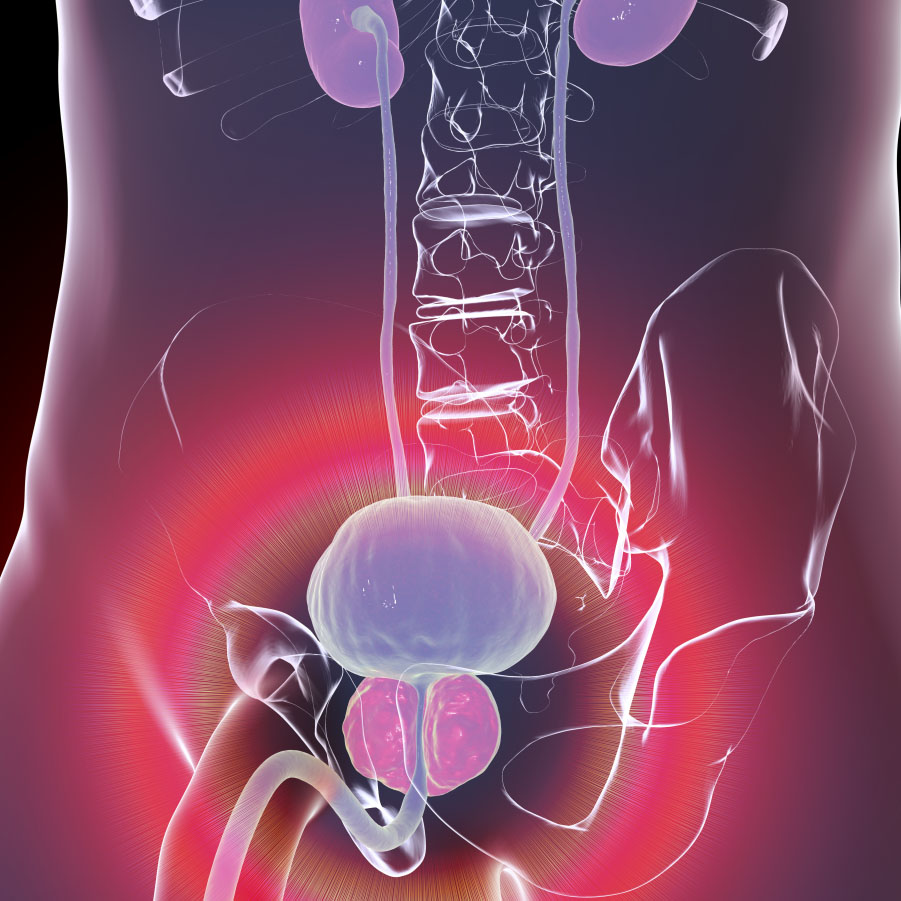
Over the past decade, Beijing South Region Oncology Hospital has established itself as a leading institution dedicated to the diagnosis and treatment of various tumors. With a strong emphasis on multidisciplinary collaboration, the hospital integrates medical expertise across departments to offer comprehensive care tailored to each patient’s unique needs. A key component of their innovative treatment strategy is the integration of traditional Chinese medicine, which is proving to be a valuable complement to conventional oncological therapies.
### A Decade of Excellence in Tumor Care
Since its inception ten years ago, Beijing South Region Oncology Hospital has been committed to enhancing patient outcomes through cutting-edge diagnostics and personalized therapies. Recognizing the complexity of tumor diseases, the hospital advocates a multidisciplinary approach that brings specialists from oncology, surgery, radiology, pathology, and traditional Chinese medicine together under one roof.
This cooperative model enables the formation of disease-specific task forces that focus on individual tumor types, developing nuanced treatment protocols that combine the best of various medical fields. Such integrative strategies have resulted in improved prognosis, reduced side effects, and enhanced quality of life for countless patients.
### The Role of Chinese Medicine in Tumor Treatment
Traditional Chinese medicine (TCM) has long been regarded for its holistic approach to health, emphasizing balance within the body and strengthening the body’s innate healing capabilities. Within Beijing South Region Oncology Hospital, TCM is employed alongside modern oncology practices to support immune function, alleviate treatment-related symptoms, and improve overall well-being.
By combining Chinese medicine with conventional therapies such as chemotherapy, radiation, and surgery, the hospital seeks to not only attack tumor cells but also mitigate adverse reactions and support patient resilience. This integrated care model is particularly impactful for those undergoing rigorous treatments who often experience fatigue, nausea, pain, and emotional distress.
### Multidisciplinary Cooperation Ensures Tailored Care
The hallmark of Beijing South Region Oncology Hospital’s success is its robust system of interdisciplinary collaboration. The hospital has established various specialized cooperation groups, each focusing on a specific type of tumor, such as lung, breast, colorectal, or liver cancer. These groups consist of oncologists, radiologists, surgeons, TCM practitioners, nutritionists, and nursing staff who convene regularly to discuss patient cases and develop individualized treatment plans.
The inclusion of TCM practitioners in these teams signifies a growing recognition of traditional therapies as a critical element in comprehensive cancer care. Their expertise helps identify suitable Chinese herbal formulations, acupuncture protocols, and other therapeutic modalities that can be safely combined with Western medical treatments to optimize patient outcomes.
### Clinical Success Stories Highlight Integrative Benefits
Clinical observations at Beijing South Region Oncology Hospital have demonstrated promising results with integrative treatment approaches. Patients receiving combined therapies report improved symptom control and better tolerance to aggressive treatments. For instance, those treated with supportive Chinese medicine interventions have experienced reduced chemotherapy-induced nausea, stabilized blood counts, and improved appetite.
Beyond physical benefits, the hospital’s integrative approach also addresses the psychological and emotional challenges of cancer treatment. Incorporating TCM practices such as acupuncture and qi gong has helped patients manage anxiety, depression, and sleep disturbances, contributing to a more holistic healing experience.
### Commitment to Research and Innovation
In addition to clinical practice, Beijing South Region Oncology Hospital actively engages in research to further validate and refine the use of Chinese medicine in oncology. Collaborative studies are underway to explore the molecular mechanisms by which traditional herbal compounds act on tumor cells and modulate immune responses. These efforts aim to build a strong scientific foundation that supports evidence-based integration of traditional medicine into standard cancer care protocols.
Furthermore, the hospital organizes academic exchanges and training programs to promote knowledge sharing among specialists from diverse fields. This fosters an environment of continuous learning and innovation, ensuring that patients benefit from the latest advances in both Western oncology and traditional medicine.
### Looking Ahead: Integrative Oncology as the Future
As cancer incidence continues to rise globally, the need for effective, patient-centered treatment approaches becomes ever more urgent. Beijing South Region Oncology Hospital’s decade-long dedication to fostering multidisciplinary collaboration and integrating Chinese medicine offers a compelling blueprint for the future of oncology care.
By blending modern medical technology with time-honored healing traditions, the hospital is paving the way for therapies that are not only more effective in controlling tumors but also in preserving the patient’s quality of life. This holistic model holds promise not only for individuals battling cancer but also for advancing the overall standards of cancer treatment worldwide.
### Conclusion
Beijing South Region Oncology Hospital’s integration of Chinese medicine with conventional tumor therapies exemplifies a progressive and patient-focused approach to cancer care. Through its multidisciplinary cooperation groups and evidence-based integrative practices, the hospital provides comprehensive, effective, and compassionate treatment for patients with various tumors. As research and clinical experience continue to validate the benefits of this model, integrative oncology is poised to become a cornerstone of cancer treatment in China and beyond.