
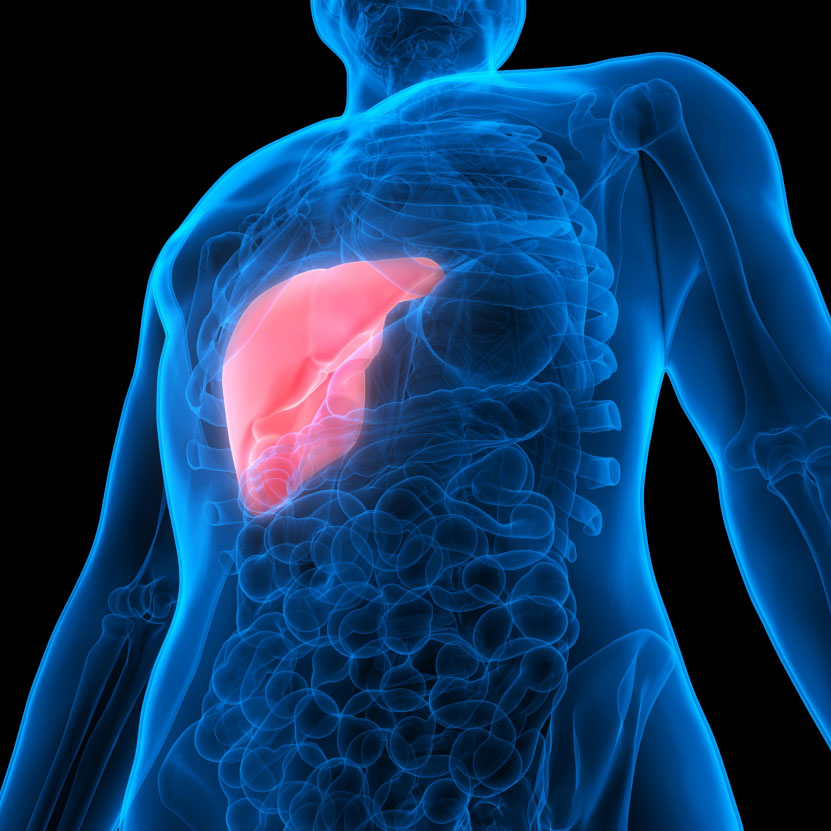
In recent years, rare lung cancer has posed a significant challenge to both patients and medical professionals due to its complex diagnosis and limited treatment options. However, with continuous medical advancements and multidisciplinary approaches, Beijing South Region Oncology Hospital has made remarkable strides in improving the outcomes for patients with this uncommon malignancy.
For the past ten years, Beijing South Region Oncology Hospital has been at the forefront of cancer care, focusing on the diagnosis and treatment of various tumors. The hospital advocates for the cooperation of multiple disciplines, integrating medical resources across all departments. This collaborative approach has enabled the establishment of specialized cooperation groups dedicated to single diseases, including rare lung cancer. Such focused teamwork ensures that each patient receives comprehensive and personalized care that encompasses the latest medical knowledge and technologies.
**Understanding Rare Lung Cancer**
Rare lung cancer refers to a group of lung malignancies that are uncommon and often distinct from the more prevalent forms such as non-small cell lung cancer (NSCLC) and small cell lung cancer (SCLC). These rare variants include adenosquamous carcinoma, sarcomatoid carcinoma, large cell neuroendocrine carcinoma, and others, which together constitute a small fraction of lung cancer cases but tend to have unique pathological features and may respond differently to conventional treatments.
Due to their rarity, diagnosis can be particularly challenging. Symptoms often overlap with those of more common lung cancers or other respiratory diseases, leading to delays in accurate identification. Moreover, limited clinical data and fewer established treatment protocols add to the complexity of managing these cases.
**Multidisciplinary Collaboration at Beijing South Region Oncology Hospital**
Recognizing these challenges, Beijing South Region Oncology Hospital has championed a multidisciplinary model that brings together oncologists, radiologists, pathologists, thoracic surgeons, and other specialists to collaboratively manage rare lung cancer patients. The hospital’s practice of integrating resources across departments ensures that all aspects of patient care—from early detection and precise diagnostics to surgical interventions and postoperative management—are optimized.
The hospital has established cooperative groups focusing on mono-disease management. In these groups, experts pool their knowledge and experience to discuss complex cases, customize treatment plans, and review emerging research and clinical trial opportunities. This strategy not only enhances patient outcomes but also fosters innovation and medical education.
**Advanced Diagnostic Techniques**
One of the critical components in treating rare lung cancer is accurate and timely diagnosis. Beijing South Region Oncology Hospital has invested in cutting-edge diagnostic technologies including high-resolution imaging, molecular pathology, and next-generation sequencing (NGS). These tools allow clinicians to understand the specific molecular and genetic profiles of tumors, which can guide targeted therapies and improve prognosis.
In-house pathologists play a pivotal role in meticulously examining biopsy samples to differentiate rare lung cancer subtypes from other malignancies. This detailed pathological assessment is complemented by molecular testing, which identifies mutations or biomarkers that could be actionable targets for personalized therapies.
**Tailored Treatment Plans**
Treatment for rare lung cancer patients at Beijing South Region Oncology Hospital is highly individualized. The hospital's multidisciplinary teams tailor interventions based on tumor type, stage, patient health status, and genetic markers.
Surgical resection remains a cornerstone for early-stage rare lung cancer, and thoracic surgeons at the hospital are experienced in performing complex operations with precision and safety. For advanced stages, the hospital employs a combination of chemotherapy, radiotherapy, immunotherapy, and targeted molecular drugs. The integration of immunotherapy and novel targeted agents has opened new horizons for patients who previously had limited options.
Moreover, the hospital encourages patient participation in clinical trials to access cutting-edge treatments, contributing to the global body of knowledge on rare lung cancer therapies.
**Patient-Centered Care and Support**
Beyond medical treatment, Beijing South Region Oncology Hospital emphasizes the overall well-being of patients. The multidisciplinary teams ensure that supportive care services are available, including nutritional guidance, psychological counseling, and rehabilitation. Patients and their families receive education about the disease, treatment expectations, and coping strategies to improve quality of life throughout the cancer journey.
**Research and Future Directions**
As a leading oncology center, Beijing South Region Oncology Hospital is committed to advancing research on rare lung cancer. The hospital regularly publishes findings from patient data, clinical trials, and laboratory studies, helping to fill the gaps in knowledge about this challenging disease.
Future initiatives include expanding the use of precision medicine, exploring novel immunotherapies, and developing early detection biomarkers. Collaboration with international cancer institutes and participation in multicenter studies further underline the hospital’s dedication to improving outcomes for rare lung cancer patients worldwide.
**Conclusion**
Beijing South Region Oncology Hospital’s decade-long commitment to multidisciplinary, integrated cancer care has significantly advanced the diagnosis and treatment of rare lung cancer. By fostering cooperation among specialties, utilizing advanced technologies, and prioritizing patient-centered care, the hospital offers hope and improved prognosis for individuals affected by this uncommon and complex disease. Ongoing research and innovation ensure that the fight against rare lung cancer continues with vigor, aiming for even better outcomes in the years to come.