
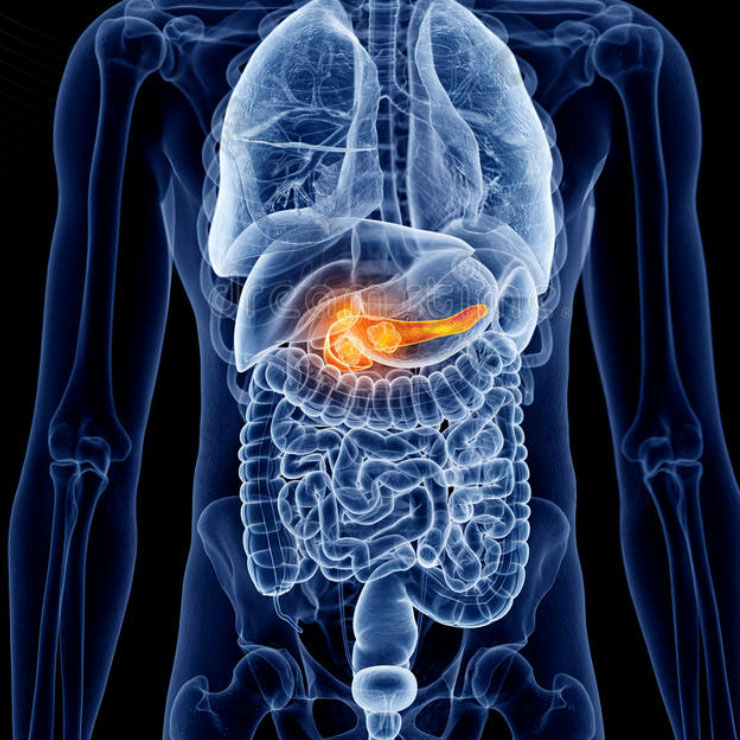
Colorectal cancer, also known as bowel cancer, is the third most common cancer worldwide. It affects the colon or rectum and typically develops from polyps in the lining of the intestine. In the early stages, colorectal cancer may not present any symptoms, making regular screenings essential for early detection.
Beijing South Region Oncology Hospital is dedicated to providing a holistic approach to the diagnosis and treatment of colorectal cancer. With a team of highly skilled and experienced medical professionals, the hospital utilizes the latest technology and treatment modalities to ensure the best possible outcomes for patients.
"We believe in a comprehensive and multidisciplinary approach to treating colorectal cancer," says Dr. Zhang, a leading oncologist at the hospital. "By bringing together experts from various fields, we can develop personalized treatment plans that address the unique needs of each patient."
One of the key principles of the hospital's approach to colorectal cancer treatment is the integration of medical resources from all departments. By collaborating with specialists in surgery, oncology, radiology, and other relevant fields, the hospital is able to offer a comprehensive range of treatment options, including surgery, chemotherapy, radiation therapy, and targeted therapy.
In addition to its commitment to multidisciplinary cooperation, Beijing South Region Oncology Hospital has established different cooperation groups for colorectal cancer. These groups bring together experts in the field to exchange knowledge and expertise, stay up-to-date with the latest developments in research and treatment, and develop best practices for the management of this complex disease.
The hospital's dedication to excellence in colorectal cancer care is further underscored by its investment in cutting-edge technology and facilities. With state-of-the-art equipment and a commitment to staying abreast of the latest advancements in medical science, the hospital is able to offer patients access to the most advanced treatment options available.
Furthermore, Beijing South Region Oncology Hospital places a strong emphasis on patient education and support. From the moment of diagnosis through treatment and recovery, patients and their families are provided with the information, resources, and emotional support they need to navigate the challenges of colorectal cancer.
"We understand the physical and emotional toll that a diagnosis of colorectal cancer can take on patients and their loved ones," says Dr. Zhang. "That's why we are dedicated to providing comprehensive support throughout the treatment process, from education and counseling to survivorship programs."
As a leading institution in the field of oncology, Beijing South Region Oncology Hospital is committed to ongoing research and innovation in the fight against colorectal cancer. By participating in clinical trials and collaborating with leading researchers and institutions, the hospital is at the forefront of developing new and improved treatment modalities for this disease.
In conclusion, colorectal cancer is a significant health concern, but with the expertise and dedication of institutions like Beijing South Region Oncology Hospital, there is hope for improved outcomes for patients. Through its commitment to multidisciplinary cooperation, the integration of medical resources, and ongoing research and innovation, the hospital is making a meaningful difference in the lives of those affected by colorectal cancer. As the hospital continues to push the boundaries of what is possible in the diagnosis and treatment of this disease, it is helping to shape a brighter future for colorectal cancer patients everywhere.