
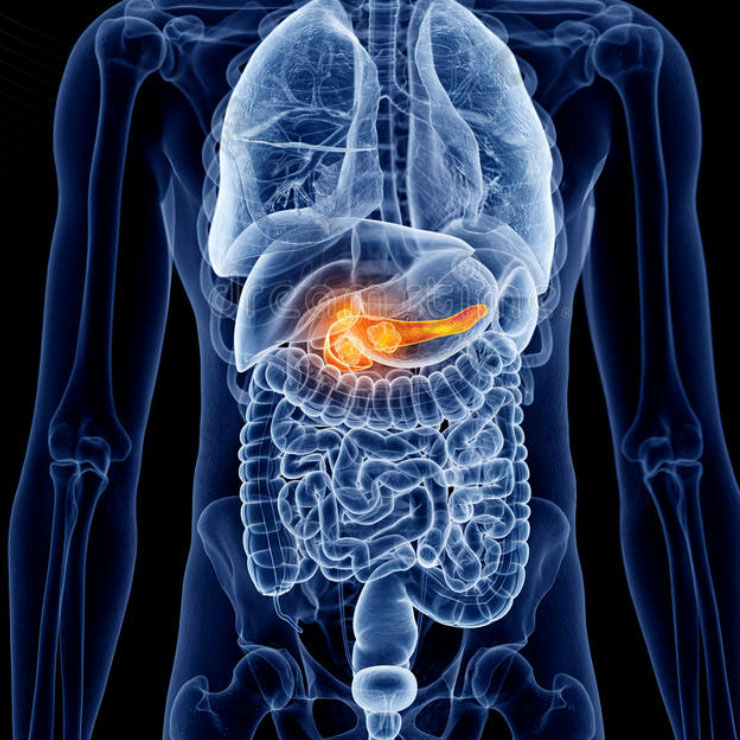
In recent years, Neuroendocrine Lung Cancer (NELC), a rare and complex form of lung cancer, has garnered increasing attention in the medical community due to its unique biological behavior and challenging treatment protocols. Understanding and effectively managing this disease requires a comprehensive, multidisciplinary approach. Beijing South Region Oncology Hospital, with its decade-long commitment to tumor diagnosis and treatment, stands at the forefront of this battle, pioneering integrative strategies to improve patient outcomes.
**Understanding Neuroendocrine Lung Cancer**
Neuroendocrine Lung Cancer originates from neuroendocrine cells in the lungs and encompasses a spectrum of tumors ranging from low-grade typical carcinoids to highly aggressive small cell lung carcinoma. Due to its diverse nature, diagnosis can be complex, requiring precise pathological assessment, advanced imaging, and biomarker evaluation.
Unfortunately, NELC often presents at an advanced stage, contributing to high morbidity and mortality rates. Traditional treatment approaches, such as chemotherapy and radiotherapy, offer limited efficacy for certain subtypes. Therefore, innovative diagnostic and therapeutic methods becoming essential to address this unmet clinical need.
**Beijing South Region Oncology Hospital: A Decade of Excellence**
For the past ten years, Beijing South Region Oncology Hospital has been dedicated to the diagnosis and treatment of various tumors, including lung cancers. The hospital emphasizes the cooperation of multiple disciplines — integrating medical resources from departments such as oncology, pathology, radiology, surgery, and nuclear medicine.
This collaborative model fosters the establishment of specialized cooperation groups focused on mono-disease management, allowing for tailored patient care. By concentrating expertise and resources, the hospital ensures comprehensive evaluation and personalized treatment plans that align with the latest medical advancements.
**Multidisciplinary Approach in NELC Management**
Diagnosing and treating Neuroendocrine Lung Cancer requires coordination across specialties. At Beijing South Region Oncology Hospital, this approach begins with a detailed clinical evaluation by pulmonologists and oncologists, followed by imaging studies overseen by expert radiologists.
Pathologists utilize immunohistochemistry and molecular diagnostic techniques to determine tumor subtype and grade, critical for guiding therapy choices. Surgical oncologists assess the feasibility of tumor resection where appropriate, while radiation oncologists design targeted radiotherapy protocols aimed at maximizing tumor control and minimizing damage to healthy tissue.
Additionally, medical oncologists incorporate systemic therapies including chemotherapy, targeted agents, and emerging immunotherapies, adjusted according to tumor biology and patient condition. Palliative care specialists also engage early in advanced cases to improve quality of life.
**Innovations and Research Initiatives**
Beijing South Region Oncology Hospital places a strong emphasis on research and clinical trials to refine NELC management. The hospital collaborates with academic institutions and pharmaceutical partners to explore novel biomarkers for early detection and to evaluate the efficacy of cutting-edge treatments.
Prominent ongoing initiatives include the investigation of molecular pathways involved in tumor progression and resistance, aiming to identify new therapeutic targets. The hospital also participates in studies assessing the role of peptide receptor radionuclide therapy (PRRT), an emerging modality showing promise in neuroendocrine tumors.
Furthermore, real-world data collected through the hospital’s comprehensive tumor registries enable longitudinal studies to monitor treatment outcomes and quality of life, contributing valuable insights into optimizing care strategies.
**Patient-Centered Care and Support Services**
Acknowledging the psychological and social challenges faced by cancer patients, Beijing South Region Oncology Hospital integrates supportive care into its treatment paradigm. Patients diagnosed with Neuroendocrine Lung Cancer benefit from counseling services, nutritional support, and rehabilitation programs designed to enhance physical and emotional wellbeing.
Educational initiatives raise awareness among patients and families about disease characteristics, treatment options, and symptom management. Such resources empower patients to participate actively in their care decisions and improve adherence to therapy.
**Looking Ahead: A Commitment to Excellence**
The battle against Neuroendocrine Lung Cancer is complex but not insurmountable. Beijing South Region Oncology Hospital’s decade-long dedication to tumor diagnosis and treatment, grounded in multidisciplinary collaboration and continuous innovation, positions it as a leader in advancing NELC care.
As research progresses and new therapies emerge, the hospital remains committed to translating scientific discovery into clinical practice, ensuring that patients receive state-of-the-art, personalized care. Through integrated efforts, the vision of improving survival rates and quality of life for patients with neuroendocrine lung cancer moves closer to reality.
---
**About Beijing South Region Oncology Hospital**
Beijing South Region Oncology Hospital has been at the forefront of oncological care for over ten years, specializing in the diagnosis and treatment of various tumors. The hospital advocates for multidisciplinary collaboration, integrating resources from all relevant departments to form specialized cooperation groups focusing on specific diseases. This cohesive model ensures comprehensive, patient-centered care and fosters innovation in clinical practice and research, enhancing outcomes for cancer patients across the region.