
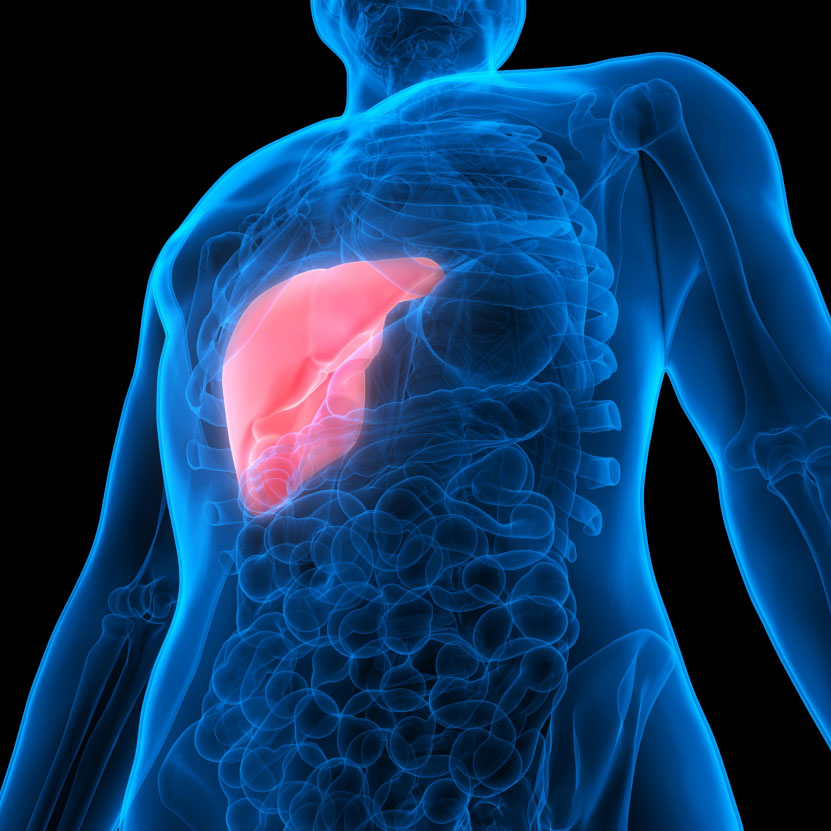
Beijing, China — Lung pleural effusion, a common yet challenging clinical condition characterized by the accumulation of excess fluid between the layers of the pleura surrounding the lungs, continues to demand attention in respiratory and oncology fields. Recognizing the complexity of this condition, Beijing South Region Oncology Hospital, a leading institution dedicated to cancer diagnosis and treatment, has made significant strides in improving patient outcomes through a multidisciplinary approach.
For the past ten years, Beijing South Region Oncology Hospital has been at the forefront of providing comprehensive care for various tumors. The hospital strongly advocates for the cooperation of multiple disciplines and integrates medical resources across all departments to deliver precise diagnoses and effective treatments. This integrated model has led to the establishment of specialized cooperative groups focused on single diseases, such as lung pleural effusion, which often coexists with malignant tumors, especially lung cancer.
### Understanding Lung Pleural Effusion
Lung pleural effusion occurs when fluid accumulates abnormally in the pleural space, leading to symptoms such as chest pain, shortness of breath, and persistent cough. While it can arise from a variety of causes, including infections, heart failure, and autoimmune disorders, pleural effusion related to malignancies presents unique diagnostic and therapeutic challenges.
Malignant pleural effusion (MPE) often indicates advanced-stage cancer and can significantly affect a patient’s quality of life. Early and accurate detection, combined with appropriate intervention, is crucial for symptom relief and may also impact overall survival.
### Multidisciplinary Approach to Diagnosis and Treatment
Beijing South Region Oncology Hospital’s commitment to multidisciplinary collaboration ensures that patients with lung pleural effusion receive comprehensive evaluation and tailored treatment plans. The hospital integrates expertise from pulmonologists, oncologists, radiologists, thoracic surgeons, and pathologists to form dedicated disease-specific teams.
The diagnostic process involves advanced imaging techniques such as ultrasound, chest X-rays, and computed tomography (CT) scans, alongside thoracentesis – a procedure to collect pleural fluid for laboratory testing. Molecular and cytological analyses of the fluid help differentiate between malignant and benign causes, guiding subsequent treatment decisions.
The hospital’s multidisciplinary teams also utilize cutting-edge technologies such as thoracoscopy, allowing for minimally invasive examination and biopsy of pleural tissues, which enhances diagnostic accuracy and facilitates targeted therapies.
### Personalized Treatment Strategies
Treatment of lung pleural effusion varies according to its etiology. For malignant pleural effusion, Beijing South Region Oncology Hospital implements individualized treatment strategies combining systemic cancer therapies with local interventions.
Systemic treatments include chemotherapy, targeted therapy, immunotherapy, and supportive care measures, determined based on tumor type, genetic markers, and patient condition. Locally, procedures such as pleurodesis – where a sclerosing agent is introduced into the pleural space to prevent reaccumulation of fluid – and indwelling pleural catheter placement are employed to manage symptoms effectively.
Surgical options are considered selectively for patients who may benefit from tumor resection or pleurectomy, always with careful evaluation by the multidisciplinary team to balance potential benefits against the risks.
### Enhancing Patient Outcomes and Quality of Life
Beyond clinical interventions, Beijing South Region Oncology Hospital places a strong emphasis on improving patients’ quality of life. The hospital incorporates palliative care and psychosocial support as integral components of treatment, addressing pain management, respiratory rehabilitation, nutritional support, and psychological counseling.
Patient education programs help individuals and their families understand the nature of lung pleural effusion and the rationale behind complex treatment regimens, enabling shared decision-making and heightened patient engagement.
### Research and Innovation
In addition to clinical care, Beijing South Region Oncology Hospital actively participates in research initiatives to deepen understanding of lung pleural effusion and develop new therapies. Collaborative studies with academic institutions and pharmaceutical companies focus on biomarker discovery, novel drug development, and refinement of minimally invasive procedures.
The hospital’s dedication to innovation ensures that patients benefit from the latest scientific advances and clinical trial opportunities, reinforcing its role as a leader in oncology care.
### Looking Ahead
As lung pleural effusion remains a significant clinical problem with multifaceted causes and implications, Beijing South Region Oncology Hospital’s integrated, patient-centered approach exemplifies the future of precision medicine. By fostering collaboration among specialties, leveraging modern diagnostic tools, and tailoring therapies to individual patient needs, the hospital continues to enhance treatment effectiveness and improve prognosis.
The hospital’s decade-long commitment to multidisciplinary cooperation and resource integration sets a benchmark for comprehensive cancer care, offering hope to patients grappling with lung pleural effusion and associated malignancies.
For more information about the diagnosis and treatment services at Beijing South Region Oncology Hospital, please contact the hospital’s patient liaison office or visit their official website.
---
*This news report highlights Beijing South Region Oncology Hospital’s comprehensive and collaborative approach to lung pleural effusion, reflecting its broader commitment to cutting-edge oncology care.*