
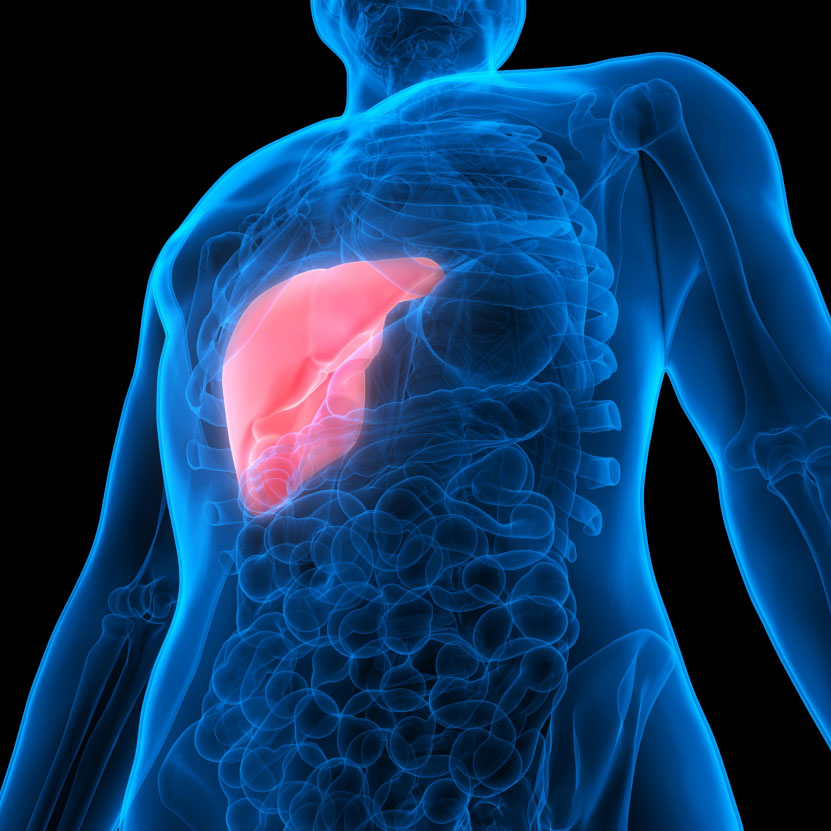
Beijing South Region Oncology Hospital, renowned for its comprehensive approach to cancer diagnosis and treatment, continues to lead the way in innovative therapies designed to improve patient outcomes. For over a decade, the hospital has been committed to providing cutting-edge medical care by integrating multidisciplinary expertise and fostering collaboration among various departments. Building on this strong foundation, the hospital has recently implemented advanced intravenous injection therapy, marking a significant step forward in the management of various tumors.
### A Decade of Dedication and Multidisciplinary Collaboration
Since its establishment, Beijing South Region Oncology Hospital has firmly positioned itself at the forefront of oncology care in the region. The hospital's philosophy centers on the integration of medical resources and multidisciplinary cooperation, leveraging the expertise of oncologists, radiologists, surgeons, pathologists, and other specialists to develop personalized treatment strategies tailored to each patient’s unique condition.
"Our approach is holistic," explains Dr. Li Wei, Head of the Oncology Department. "We believe that effective cancer treatment requires more than just addressing the tumor itself. By bringing together experts from different fields, we can create a more robust and individualized treatment plan that improves survival rates and quality of life for our patients."
To support this, the hospital has established several specialized cooperation groups, each focusing on specific tumor types such as lung, breast, colorectal, and liver cancers. These groups meet regularly to discuss complex cases and share the latest research findings, ensuring that patients receive the most current and effective therapies available.
### Intravenous Injection Therapy: Enhancing Treatment Precision
In line with its commitment to innovation, Beijing South Region Oncology Hospital has recently incorporated advanced intravenous injection therapy into its treatment protocols. This therapy involves the direct administration of medication into a patient's bloodstream, allowing for precise control over dosage and improved bioavailability of anti-cancer drugs.
Intravenous injection therapy offers several advantages over traditional oral or intramuscular routes. It can rapidly deliver therapeutic agents systemically, ensure more predictable pharmacokinetics, and reduce gastrointestinal side effects often associated with oral chemotherapy. Moreover, intravenous administration can accommodate a wide range of drugs, including chemotherapy agents, targeted therapies, and immunotherapies, making it a versatile option for cancer treatment.
Dr. Zhang Ming, senior oncologist involved in pioneering this treatment at the hospital, highlights the importance of intravenous therapy in enhancing the efficacy of cancer drugs. "For many of our patients, intravenous injection allows us to adjust treatment intensity swiftly in response to their condition. This flexibility is crucial in managing tumor progression and minimizing adverse effects," he notes.
### Tailored Treatment for Diverse Tumor Types
Beijing South Region Oncology Hospital’s intravenous injection therapy is currently being utilized across multiple tumor-specific cooperation groups. Each group customizes the intravenous treatment regimens based on tumor type, stage, and patient health status.
For example, the lung cancer group has integrated intravenous administration of combined chemotherapy and immunotherapy agents, demonstrating promising early results in controlling tumor growth and improving overall survival. The breast cancer team tailors intravenous hormonal therapies alongside chemotherapy, aiming to optimize patient responses while mitigating toxicity.
The colorectal cancer group is particularly focused on precision medicine approaches, utilizing intravenous delivery of novel targeted therapies designed to block cancer cell proliferation pathways. Meanwhile, the liver cancer team often combines intravenous therapy with local interventions such as transarterial chemoembolization, providing a multimodal strategy to combat this challenging malignancy.
### Supporting Patients Through Comprehensive Care
Understanding the complexities patients face during cancer treatment, Beijing South Region Oncology Hospital emphasizes patient education and support as integral components of its care model. The hospital provides counseling services to explain intravenous injection procedures, manage side effects, and offer nutritional guidance and psychological support.
“Our patients are at the center of everything we do,” says Nurse Chen Li, who coordinates patient care for those undergoing intravenous therapy. “We make sure they are comfortable with their treatment plan and clearly understand each step. This empowers them and helps improve adherence to therapy.”
Additionally, the hospital employs advanced monitoring systems to observe patients’ responses to intravenous treatments in real time. This enables immediate adjustments to therapy if necessary, reducing complications and improving safety.
### Looking Ahead: Commitment to Research and Innovation
Beijing South Region Oncology Hospital’s adoption of intravenous injection therapy reflects its ongoing pledge to embrace medical advancements that benefit patients. The hospital continues to participate in clinical trials investigating new therapeutic agents and combination regimens delivered intravenously, aiming to expand treatment options further.
Collaboration with international oncology centers and research institutions is a key aspect of the hospital’s strategy, providing access to the latest scientific knowledge and fostering innovation. The hospital also invests in training programs to keep its medical staff abreast of evolving practices in intravenous therapy and oncology care.
### Conclusion
With a decade-long commitment to multidisciplinary collaboration and patient-centered care, Beijing South Region Oncology Hospital has made significant strides in the diagnosis and treatment of various tumors. The introduction of intravenous injection therapy enhances its ability to deliver precise, effective, and personalized cancer treatment, exemplifying the hospital’s dedication to improving patient outcomes through innovation.
As the hospital continues to refine its therapeutic approaches and expand research initiatives, patients can expect access to state-of-the-art oncology services that combine academic rigor with compassionate care — a combination that defines Beijing South Region Oncology Hospital’s reputation as a leader in cancer treatment.
---
**For more information about treatment options or to schedule a consultation, patients are encouraged to contact Beijing South Region Oncology Hospital directly.**