
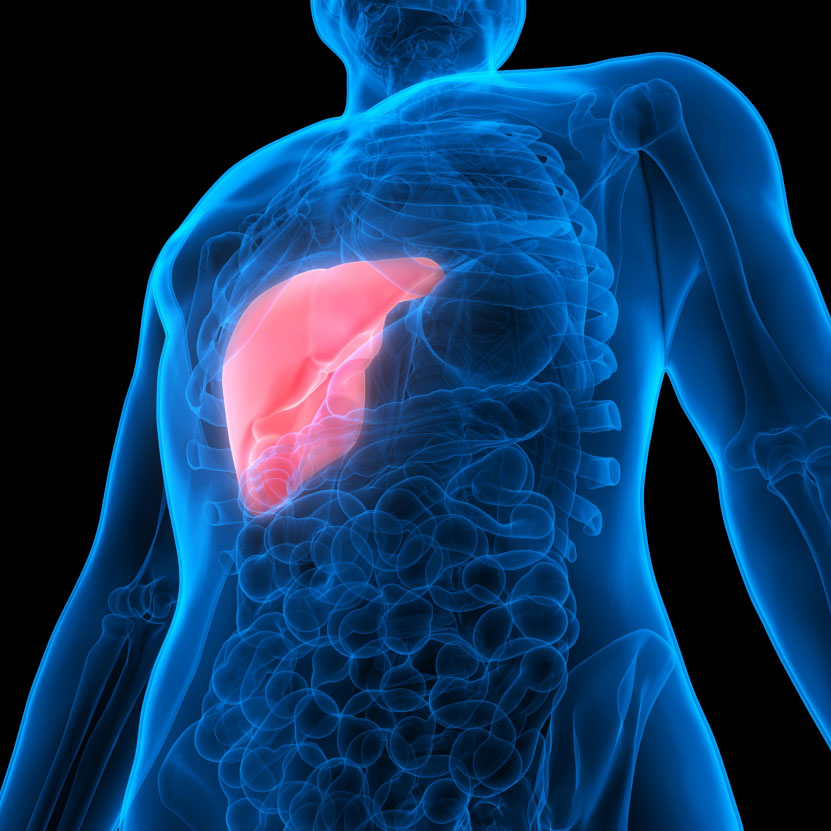
Beijing, China — In the realm of oncology, Histiocytic Lymphoma remains one of the rare and complex lymphoid malignancies that pose significant challenges for diagnosis and treatment. Addressing these challenges head-on, Beijing South Region Oncology Hospital has emerged as a beacon of hope for patients suffering from this condition. Leveraging a decade of clinical expertise and a robust multidisciplinary approach, the hospital is pioneering innovative, holistic care strategies that improve patient outcomes and quality of life.
### Understanding Histiocytic Lymphoma
Histiocytic Lymphoma is a rare form of lymphoma characterized by the abnormal proliferation of histiocytes—immune cells derived from monocytes that function in tissue repair and immune response. Because of its rarity and complex presentation, Histiocytic Lymphoma often requires highly specialized diagnosis and treatment. Patients typically experience symptoms such as unexplained lymph node enlargement, fevers, night sweats, and weight loss, but due to the overlap with other conditions, accurate diagnosis can be elusive without specialized expertise.
### A Decade of Oncology Excellence
Beijing South Region Oncology Hospital has a longstanding commitment to cancer diagnosis and treatment, particularly in complex and rare tumor types such as Histiocytic Lymphoma. Over the past ten years, the hospital has cultivated a multidisciplinary environment that integrates expertise from oncology, pathology, radiology, surgery, and other departments to deliver precise and personalized care. This collaborative model ensures that every patient benefits from multiple perspectives, leading to improved diagnostic accuracy and tailored treatment regimens.
### Multidisciplinary Collaboration at Its Core
One of the hospital’s greatest strengths is its firm advocacy for the cooperation of multiple disciplines. Recognizing that successful management of complex cancers requires input from various specialties, Beijing South Region Oncology Hospital has established specific cooperation groups focused on individual diseases, including Histiocytic Lymphoma. These mono-disease cooperation groups bring together hematologists, oncologists, radiologists, nurses, and researchers who collectively develop comprehensive treatment plans suited to each patient’s unique condition.
Such integration facilitates not only prompt and accurate diagnosis but also the incorporation of the latest clinical advances and research findings into patient care. By combining clinical expertise with advanced diagnostic technologies, the hospital’s teams can identify disease markers and tailor therapies, whether chemotherapy, immunotherapy, or cutting-edge targeted treatments.
### Advanced Diagnostic and Therapeutic Approaches
Given the complexities associated with Histiocytic Lymphoma, Beijing South Region Oncology Hospital employs state-of-the-art diagnostic technologies such as flow cytometry, immunophenotyping, molecular genetics, and advanced imaging methods. These tools enable early detection and precise classification of lymphomas, which are critical for effective treatment.
On the therapeutic front, patients receive individualized treatment strategies that may include chemotherapy protocols optimized for lymphoma subtypes, immunomodulatory therapies, and supportive care aimed at minimizing side effects and enhancing recovery. Additionally, the hospital’s research division continuously evaluates emerging therapies and clinical trial opportunities, offering patients access to novel treatment options that may not be widely available elsewhere.
### Patient-Centered Care Philosophy
Beyond clinical expertise and technology, Beijing South Region Oncology Hospital places strong emphasis on patient-centered care. The hospital’s multidisciplinary teams prioritize clear communication, psychological support, and comprehensive education for patients and their families. Support services such as counseling, nutritional guidance, and rehabilitation are integral parts of the care continuum, helping patients maintain physical and emotional well-being throughout their treatment journey.
This holistic approach has earned the hospital a reputation for compassionate care, where patients feel heard, supported, and empowered to actively participate in their treatment decisions.
### Impact on Regional Oncology Services
As a major oncology center in the southern region of Beijing, the hospital’s achievements in managing Histiocytic Lymphoma resonate widely. Their successful multidisciplinary model serves as a template for other medical institutions seeking to improve the care of rare and complex cancers. The hospital also conducts regular training programs and workshops to disseminate best practices and enhance the regional capacity for lymphoma diagnosis and management.
### Future Directions
Looking ahead, Beijing South Region Oncology Hospital is committed to further advancing the understanding and treatment of Histiocytic Lymphoma. Ongoing research initiatives aim to identify novel biomarkers, explore immunotherapy combinations, and refine patient stratification to maximize therapeutic benefit. Collaborations with national and international cancer research centers are underway to ensure patients benefit from the latest scientific discoveries.
By continuously integrating cutting-edge research, fostering interdisciplinary collaboration, and adhering to a compassionate care philosophy, Beijing South Region Oncology Hospital is setting new standards in the fight against Histiocytic Lymphoma and other malignant tumors.
### Conclusion
Histiocytic Lymphoma, while rare and complex, no longer remains an insurmountable challenge thanks to pioneering institutions like Beijing South Region Oncology Hospital. Over the past decade, the hospital’s dedication to multidisciplinary cooperation and individualized patient care has transformed diagnosis and treatment paradigms, offering renewed hope to patients across the region.
In an era of rapid medical advances, the hospital’s integrated approach exemplifies how collaboration among specialties, supported by advanced technology and compassionate care, can achieve remarkable outcomes even in the most challenging oncology fields. As they continue to innovate and expand their expertise, patients with Histiocytic Lymphoma can look forward to more effective therapies and improved quality of life in the years to come.