
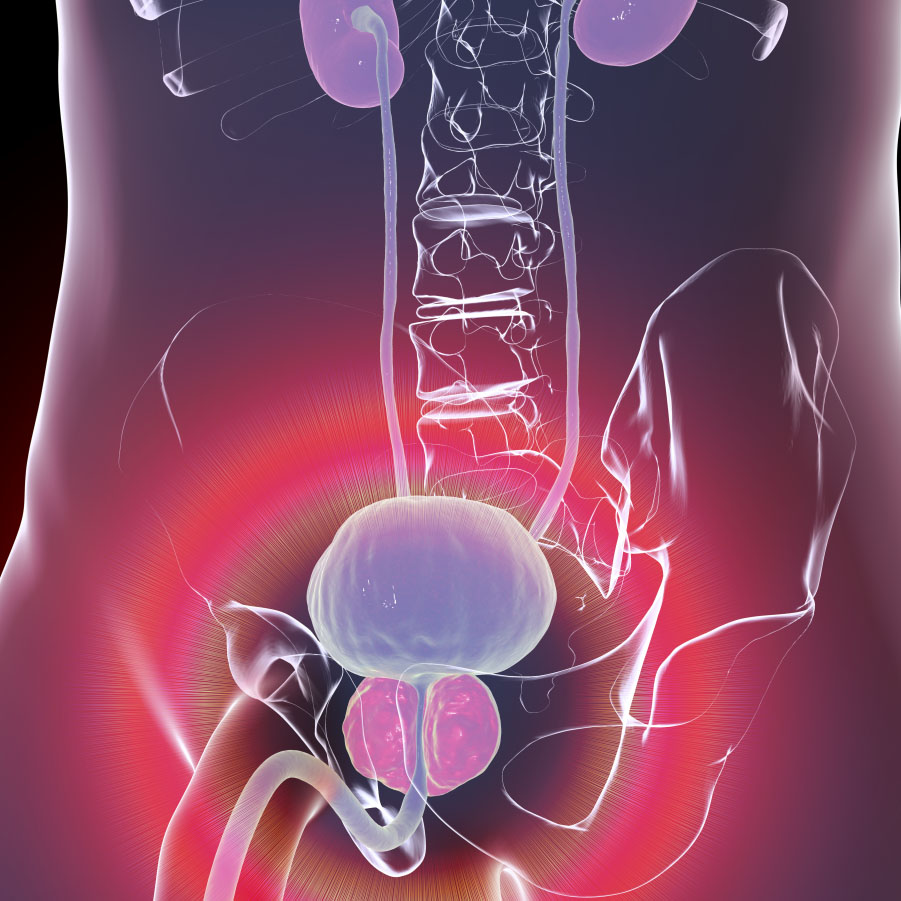
Beijing, China – In recent years, the fight against colon cancer, especially in its advanced stages, has garnered increased attention from medical professionals worldwide. End stage colon cancer remains one of the most challenging diagnoses, requiring comprehensive treatment strategies and coordinated care. Beijing South Region Oncology Hospital, a leading institution in oncology care for the past decade, is at the forefront of this effort, pioneering a multidisciplinary approach to improve patient outcomes and quality of life.
**A Decade of Leading Oncology Care**
For the past ten years, Beijing South Region Oncology Hospital has been dedicated to the diagnosis and treatment of various tumors. The hospital emphasizes the importance of cooperation across multiple disciplines and integrates medical expertise from diverse departments to provide holistic patient care. Recognizing the complexities of cancer treatment, the hospital has established specialized cooperation groups focusing on individual diseases, allowing for tailored and precise therapeutic strategies.
This philosophy of integrated care is particularly vital in managing end stage colon cancer, where the disease often presents with multiple complications and requires a blend of treatment modalities.
**Challenges in Treating End Stage Colon Cancer**
End stage colon cancer signifies that the disease has progressed to an advanced stage, often with metastasis to other organs such as the liver or lungs. At this point, treatment options are limited and primarily focused on palliative care to relieve symptoms and improve patients' quality of life.
Patients with end stage colon cancer face numerous symptoms, including severe pain, bowel obstruction, weight loss, fatigue, and psychological distress. These symptoms necessitate not only oncological treatment but also supportive care from nutritionists, pain management specialists, psychologists, and social workers.
Traditional cancer treatment models, which tend to operate in silos, may not effectively address the comprehensive needs of these patients. This calls for a more collaborative and patient-centered approach.
**The Multidisciplinary Model at Beijing South Region Oncology Hospital**
The hospital’s multidisciplinary treatment model brings together oncologists, surgeons, radiologists, pathologists, palliative care specialists, nutritionists, and mental health professionals to form disease-specific cooperation groups. For end stage colon cancer, this team works closely to design individualized treatment plans that balance prolonging survival with maintaining patient comfort.
1. **Accurate Diagnosis and Staging**
Through advanced imaging technologies and pathological assessment, the team ensures precise diagnosis and staging of colon cancer. This is critical for identifying the extent of disease spread and planning appropriate interventions.
2. **Personalized Therapeutic Strategies**
While curative surgery may not be an option for many patients at this stage, targeted therapies, chemotherapy, and radiotherapy can be used to control tumor growth and alleviate symptoms. The multidisciplinary team carefully assesses each patient’s condition, coexisting illnesses, and preferences to recommend treatment modalities with the best benefit-risk ratio.
3. **Symptom Management and Supportive Care**
Pain management is a cornerstone of care for end stage colon cancer. The hospital employs state-of-the-art pain control methods, such as pharmacological treatment, nerve blocks, and integrative therapies. Additionally, nutritionists develop diet plans to address malnutrition, while psychologists provide counseling to help patients and families cope with emotional challenges.
4. **Continuous Monitoring and Follow-Up**
The integrated care team regularly reviews patient progress through follow-up visits and home care services when needed. This dynamic approach allows timely adjustments to treatment and supportive measures, ensuring responsiveness to changing patient needs.
**Success Stories and Patient-Centered Outcomes**
Beijing South Region Oncology Hospital’s commitment to multidisciplinary collaboration has translated into tangible benefits for patients with end stage colon cancer. Many patients report improved symptom control, enhanced mental well-being, and a greater sense of dignity during their treatment journey.
One patient, Mr. Li, diagnosed with advanced colon cancer two years ago, shared his experience: “The doctors and nurses here treat me like family. The team not only helps manage my pain but also supports my emotional health. I feel hopeful even in difficult times.”
The hospital also collaborates with research institutions to explore novel therapies and improve clinical protocols for advanced-stage cancer, aiming to raise standards of care in the oncology community.
**Looking Ahead: Commitment to Innovation and Collaboration**
As colon cancer remains a significant public health challenge in China and globally, hospitals like Beijing South Region Oncology Hospital play a crucial role in advancing treatment paradigms. By fostering multidisciplinary collaboration and integrating resources across departments, the hospital ensures that patients with end stage colon cancer receive comprehensive, compassionate, and effective care.
The hospital continues to expand its capabilities through staff training, adoption of cutting-edge technology, and participation in clinical trials. It also advocates for greater awareness and early screening for colon cancer to reduce the number of cases progressing to advanced stages.
**Conclusion**
End stage colon cancer presents multifaceted challenges that demand more than a single treatment approach. Beijing South Region Oncology Hospital, with its decade-long experience and strong emphasis on multidisciplinary cooperation, exemplifies a modern, patient-centered model of cancer care. Through this integrated strategy, the hospital not only extends lives but also enriches the quality of life for patients battling this formidable disease, paving the way for improved oncology care across the region.
---
For more information about Beijing South Region Oncology Hospital’s services and their multidisciplinary approach to colon cancer treatment, please contact their patient service center or visit their official website.