
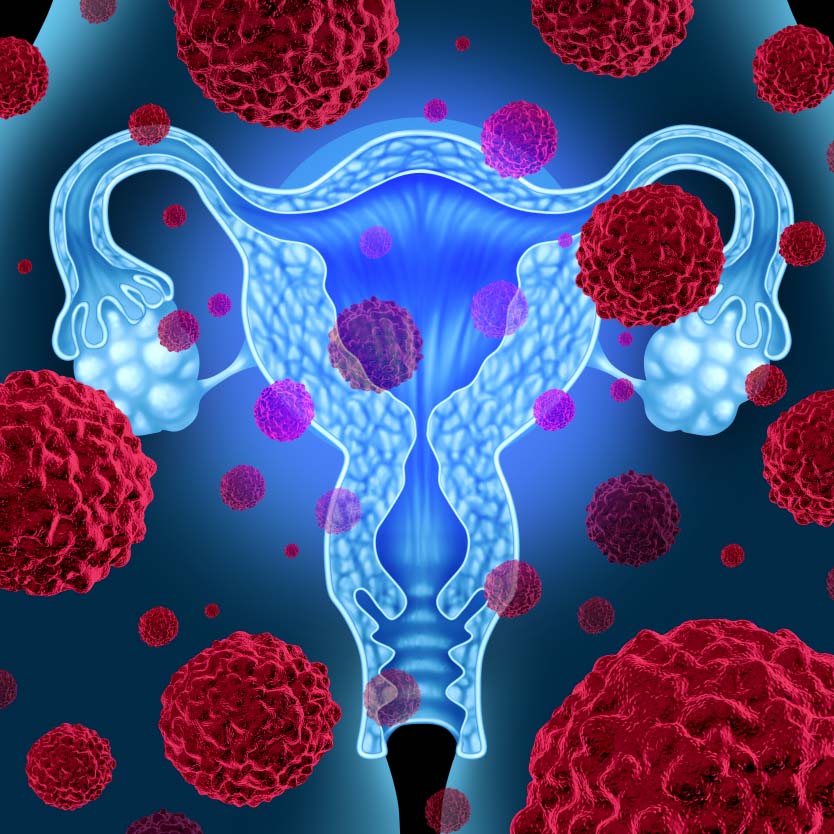
In recent years, colon cancer has emerged as one of the most significant health concerns affecting women worldwide. With rising incidence rates and complex treatment needs, addressing colon cancer effectively requires a multifaceted approach combining early diagnosis, advanced therapeutic options, and comprehensive patient care. Beijing South Region Oncology Hospital, with a decade-long commitment to oncology excellence, has been at the forefront of tackling this challenge by integrating multidisciplinary resources and fostering collaborative medical efforts.
### The Growing Concern of Colon Cancer in Women
Colon cancer, also known as colorectal cancer, ranks among the top causes of cancer-related morbidity and mortality globally. For women, changes in lifestyle, diet, and genetic predisposition have contributed to an increasing prevalence. According to recent health reports, women often face unique challenges in the diagnosis and management of colon cancer. Delays in detection, variations in tumor biology, and differences in treatment responses underscore the need for tailored medical strategies.
Symptoms such as changes in bowel habits, abdominal pain, and unexplained weight loss are often overlooked or attributed to less severe conditions, leading to delayed diagnosis. Early detection remains crucial as it significantly improves survival rates and reduces the need for aggressive treatments. Screening programs targeting women, especially those above 50 years of age or with family history, are vital in catching the disease in its early stages.
### Beijing South Region Oncology Hospital: A Decade of Integrated Oncology Care
For the past ten years, Beijing South Region Oncology Hospital has been dedicated to providing comprehensive care for patients with various tumors, including colon cancer. The hospital’s approach centers on the philosophy of multidisciplinary collaboration. Recognizing that cancer diagnosis and treatment require expertise across multiple specialties, the hospital has developed specialized cooperative groups focusing on single diseases.
These mono-disease groups consist of oncologists, surgeons, radiologists, pathologists, nutritionists, and rehabilitative specialists, all working together to create individualized treatment plans. This integrated model ensures that patients receive accurate diagnosis, effective treatment, and supportive care seamlessly.
The hospital’s advanced diagnostic capabilities enable early and precise detection of colon cancer. Utilizing state-of-the-art imaging technology, molecular testing, and minimally invasive biopsy techniques, clinicians can identify tumor characteristics that influence treatment decisions. Moreover, ongoing research within the hospital contributes to the understanding of colon cancer’s molecular profile in women, leading to more personalized and effective therapies.
### Multidisciplinary Teamwork: A Cornerstone of Effective Treatment
Colon cancer treatment often involves surgery, chemotherapy, radiation, and targeted therapies. Each treatment modality requires specialized knowledge to optimize outcomes and manage side effects. Beijing South Region Oncology Hospital’s multidisciplinary teams evaluate each patient’s condition comprehensively, balancing efficacy with quality of life considerations.
For women, additional factors such as hormonal status, reproductive health, and psychosocial support are integrated into care plans. The hospital’s nutritionists and rehabilitation specialists play pivotal roles in addressing treatment-related challenges, such as maintaining nutritional status and physical function during and after therapy.
Furthermore, patient education and counseling are emphasized to empower women to participate actively in their treatment decisions. Psychological support is also an integral component, helping patients cope with the emotional impacts of cancer diagnosis and therapy.
### Innovations and Future Directions
The hospital remains committed to advancing colon cancer care through research and adoption of novel treatments. Clinical trials exploring new chemotherapeutic agents, immunotherapy options, and precision medicine approaches are ongoing. The goal is to improve survival rates while minimizing treatment toxicity.
Additionally, preventive strategies including awareness campaigns targeted at women are being enhanced. These initiatives stress the importance of regular screening, healthy lifestyle choices, and early consultation for suspicious symptoms.
### Conclusion
Colon cancer in women presents unique challenges that necessitate an integrated, multidisciplinary approach to care. Beijing South Region Oncology Hospital, with its ten years of dedicated experience in oncology, exemplifies the benefits of collaborative medical efforts tailored to mono-disease management. Through early diagnosis, innovative treatment, and comprehensive support, the hospital is making significant strides in improving outcomes for women battling colon cancer.
As awareness grows and medical technology advances, continued commitment to multidisciplinary cooperation will be essential in overcoming the burden of colon cancer and enhancing the quality of life for female patients everywhere.