
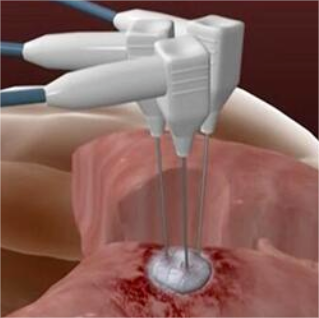
Over the past decade, Beijing South Region Oncology Hospital has been at the forefront of diagnosing and treating malignant neoplasms, establishing itself as a center of excellence in oncology care. With a strong commitment to multidisciplinary collaboration and integration of medical resources, the hospital has significantly advanced the management and prognosis of various tumors, earning recognition both locally and nationally.
**A Decade of Excellence in Oncology Care**
Since its inception ten years ago, Beijing South Region Oncology Hospital has dedicated itself to the comprehensive care of patients diagnosed with malignant neoplasms—a term encompassing a wide range of cancers characterized by uncontrolled and abnormal cell growth. By addressing these life-threatening diseases with cutting-edge medical technology and expert clinical teams, the hospital has played an essential role in improving patient outcomes, quality of life, and survival rates.
The hospital’s philosophy centers on advocating for multidisciplinary cooperation among specialists. Recognizing that cancer is a complex disease affecting multiple organ systems, Beijing South Region Oncology Hospital has integrated medical expertise across various departments to provide tailored and holistic treatment plans. Such an approach enables early diagnosis, precise staging, and individualized therapy, which are critical factors in the successful management of malignant tumors.
**Multidisciplinary Collaboration: A Pillar of Success**
At Beijing South Region Oncology Hospital, the diagnosis and treatment process involves close cooperation among oncologists, radiologists, surgeons, pathologists, radiotherapists, and other healthcare professionals. This integrated model ensures that each patient’s case is reviewed from multiple perspectives, fostering informed decisions regarding the best course of treatment.
The hospital has established specialized cooperation groups for single-disease management, meaning that patients with particular types of cancer benefit from the focused expertise of dedicated teams. For example, distinct groups exist for lung cancer, breast cancer, colorectal cancer, and hematologic malignancies, among others. These teams coordinate each step of care, from initial assessment and diagnostic imaging to surgical intervention, chemotherapy, radiation therapy, and follow-up rehabilitation.
By harmonizing diverse medical resources, Beijing South Region Oncology Hospital minimizes fragmentation in care delivery and maximizes efficiency. Patients receive timely consultations, reduced waiting times for procedures, and comprehensive support services, including nutritional guidance, psychological counseling, and palliative care. This patient-centered model has enhanced the hospital's reputation as a leading institution for malignant neoplasm treatment.
**Advancements in Diagnostic and Therapeutic Techniques**
Throughout its decade-long journey, Beijing South Region Oncology Hospital has continuously embraced innovative diagnostic and therapeutic technologies, keeping pace with global oncology developments. Advanced imaging modalities such as PET-CT, MRI, and high-resolution ultrasound facilitate early detection and accurate tumor localization. Molecular pathology and genetic testing enable personalized medicine approaches by identifying biomarkers that predict treatment response and disease progression.
In treatment, the hospital integrates surgery with systemic therapies including chemotherapy, targeted therapy, immunotherapy, and radiotherapy. Recent advancements in minimally invasive surgical techniques have reduced morbidity and improved recovery times for cancer patients. Additionally, the hospital participates in clinical trials aimed at discovering novel agents and treatment protocols, offering patients access to cutting-edge therapies that might otherwise be unavailable.
**Impact on Patient Community and Public Health**
The work carried out by Beijing South Region Oncology Hospital has resonated deeply within the patient community. By providing high-quality care for malignant neoplasms, the hospital has boosted patient confidence and contributed to raising public awareness about cancer prevention, early detection, and the importance of multidisciplinary management.
Beyond clinical services, the hospital engages in cancer education campaigns and collaborates with governmental and non-governmental organizations to promote screening programs and healthy lifestyle interventions. These efforts align with broader public health goals to reduce the incidence and mortality associated with malignant tumors.
**Future Directions and Commitment**
Looking ahead, Beijing South Region Oncology Hospital remains committed to enhancing its capabilities and expanding its leadership role in oncology. Plans include the establishment of more disease-specific cooperation groups, increased investment in research and development, and the adoption of artificial intelligence and big data analytics to refine diagnostic accuracy and optimize treatment pathways.
As malignant neoplasms continue to pose significant health challenges worldwide, the hospital’s model of integrated, multidisciplinary care serves as a blueprint for improving cancer treatment outcomes. Patients treated at Beijing South Region Oncology Hospital can expect compassionate, expert-driven, and state-of-the-art medical care tailored to their unique needs.
**Conclusion**
Beijing South Region Oncology Hospital’s decade-long dedication to the diagnosis and treatment of malignant neoplasms exemplifies the power of multidisciplinary collaboration and resource integration. Through specialized cooperation groups and continuous innovation, the hospital has transformed cancer care in the region, offering hope and healing to countless patients. As it moves forward, the hospital’s commitment to excellence and holistic care will remain central to its mission of conquering malignant tumors and improving public health.